Baltic and Scandinavian Treasures – Day 11

June 30th – We awoke to find five other ships in port this morning, a signal that it will likely be a very busy day in town. Today our tour includes a boat ride on the canals, a tour of the Church of the Spilled Blood and a shopping stop at a souvenir shop.

As we set out, it was obvious from the lack of traffic that Russians aren’t early risers on Saturday morning. In fact there was so little traffic we arrived about 30 minutes early for the cruise. Given that it was only about 50* with a brisk wind, it was a bit of a chilly wait. Dressing in layers was very important. The cruise took us along the Fountain River out to the Neva River and then back along a canal to meet our bus. The guide did an excellent job of telling the storied history of many of the buildings we passed. Unlike Amsterdam, I found the architecture of most of the buildings quite similar…making for a sameness to all the streets.

The Church of the Spilled Blood was built as a memorial on the spot where Alexander II was murdered. It was begun in 1881 and took 25 years to complete, just in time for the revolution when churches were banned. It is an artistic masterpiece containing over 75,000 square feet of mosaics. During the war it was mostly destroyed and serious consideration was given to whether is should be restored or completely rebuilt. In the end restoration was undertaken. It took another 20 years and was finally completed in 1998. As a Russian Orthodox Church, there is no pulpit, no organ and no pews.

#135 - Altar doors - carved marble - cost $1M

Altar doors are made of carved marble at a cost of $1M
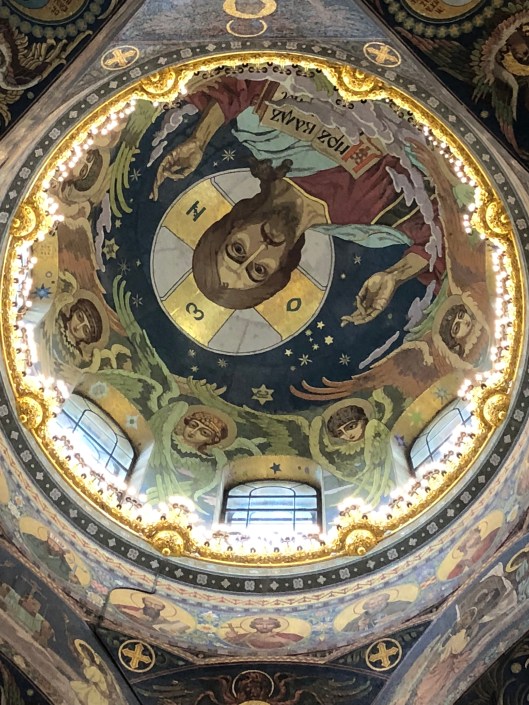
#136 - Cupola - his eyes are always looking at you

Cupola – no matter where you stand in the church his eyes are always looking at you

The Square outside the church was the fan zone for the FIFA World Cup and it was buzzing with excitement and street vendors. There were even a few guests from the past!
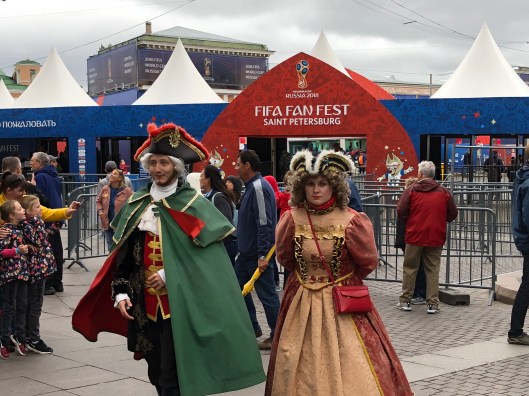
#131 - FIFA participants

Back on the bus, we traveled a short distance to a souvenir shop but not being in the collection phase of life, no purchases were made.

Dinner tonight was in the Italian restaurant, called Toscana. We both had Veal Marsala and a selection of pastas. After a partial attempt at packing our suitcases, we headed off to the evening entertainment called Dancing Fool. It was a combination song and dance show well produced and fun to watch. At the end, the cruise director introduced the staff and then we all got up to do YMCA before calling it a night. What fun!

Baltic and Scandinavian Treasures – Day 10

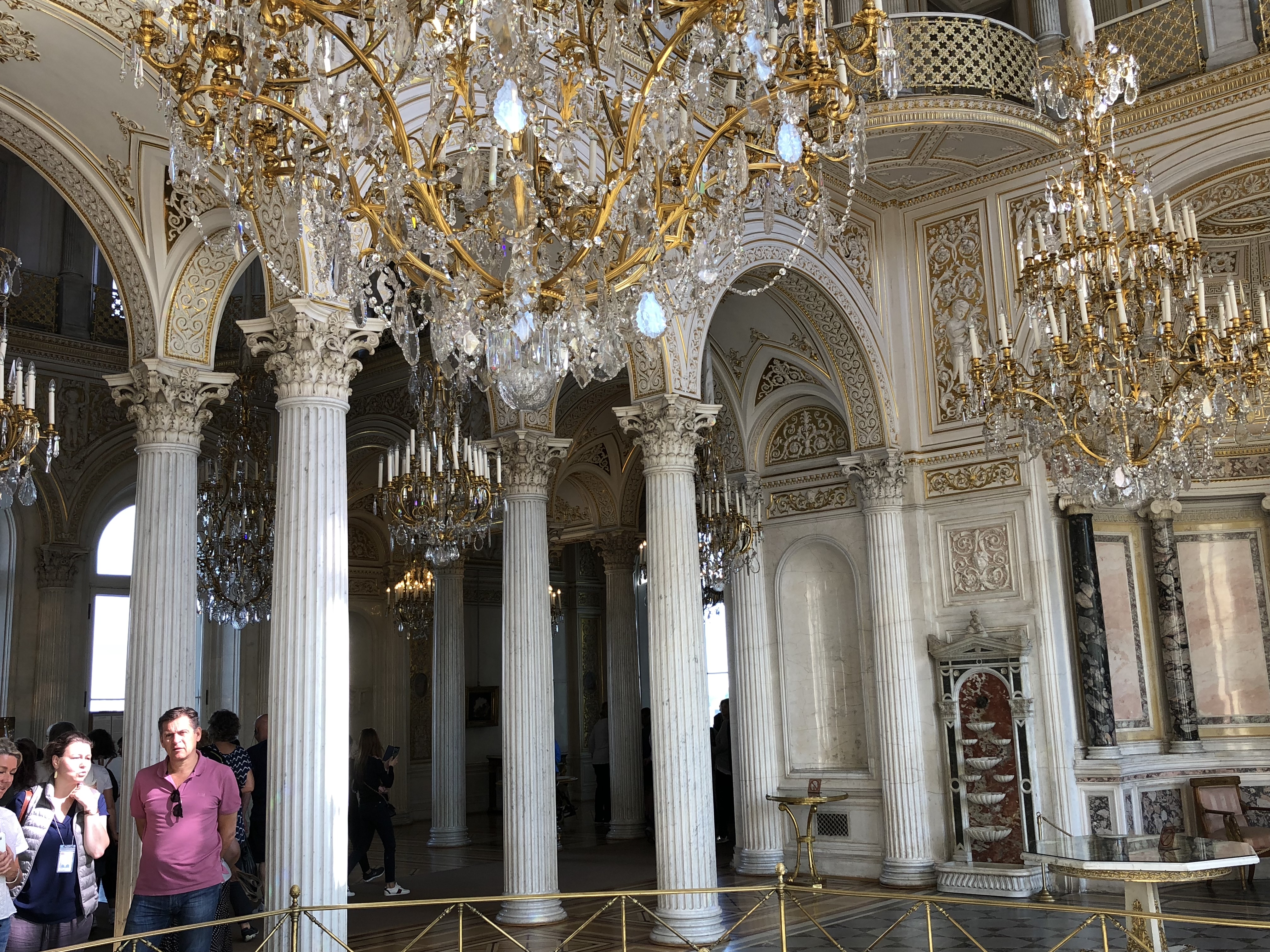
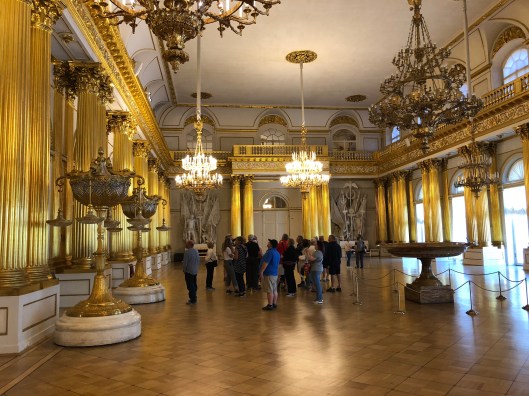
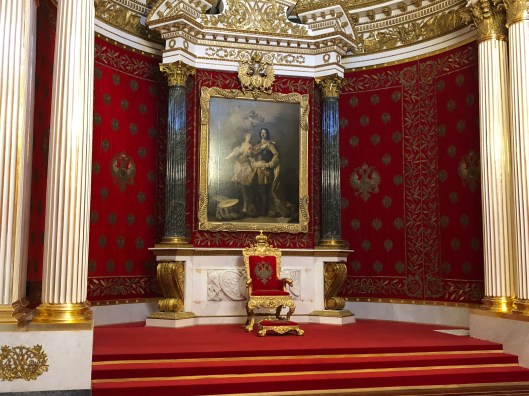
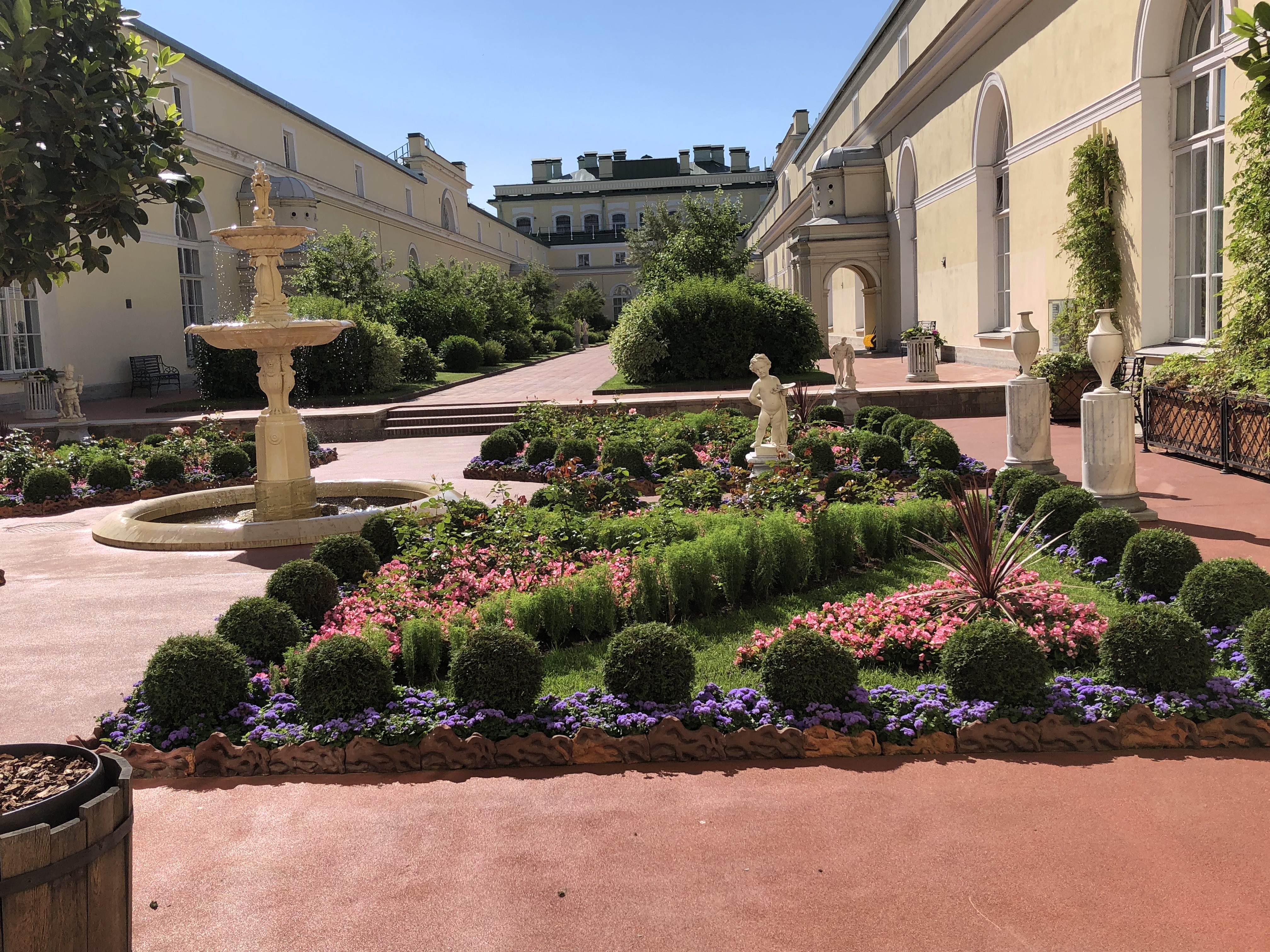
June 29th – After our exciting evening yesterday, it was a bit hard to rise and shine this morning…but by 8:15 a.m. we were on the bus headed to The Hermitage Museum. The second largest museum in the world, it was founded in 1764 to house Catherine the Great’s large art collection. It has been opened to the public since 1852. There are about three million items, only one-third of which are on display. The displays are arranged throughout six historic buildings on the Palace Embankment, including the Winter Palace (pictures below), former residence of Russian Tsars. Many of the rooms are just as ornate as we saw in the palace yesterday. Someone has calculated that it would take 13 years to see all of the artwork on display. Needless to say, we saw only a few of the important items.

#109 - Hermitage (Winter Palace - Ambassador's Staircase)

Winter Palace Grand Staircase (called the Ambassador’s Staircase)

Palace Garden

Fabulous chandelier

#112 - Reception Room

Reception Room

#113 - Large Reception Room

Large Reception Room – floor was same as ceiling

#111 - Peter The Great

Peter the Great

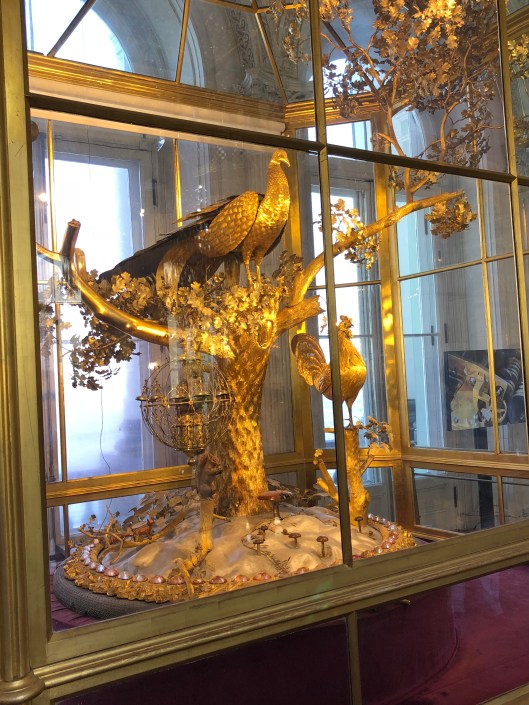
#118 - Peacock Clock

Peacock Clock – oldest artwork in the palace – still works! Moving parts are amazing.

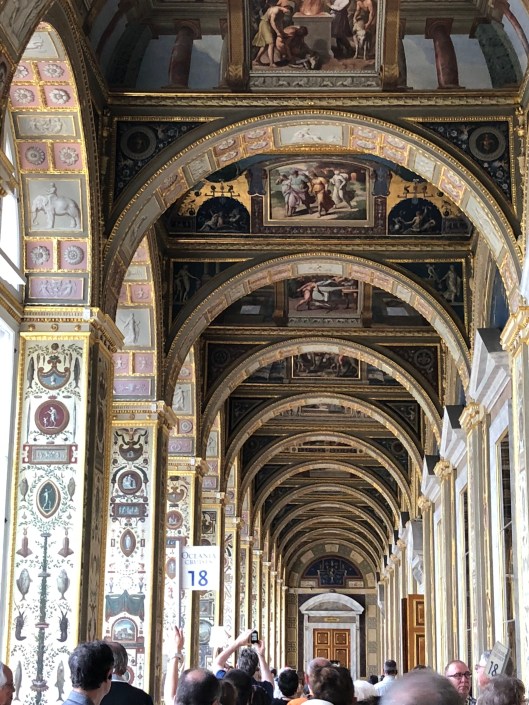
#121 - Hallway (modeled after Vatican Loges)

Hallway – reminiscent of Vatican Loges

Our tour also included a tour of the Gold Room, a collection of rare jewellery and artifacts dating back as far as the 6th century B.C. There was an amazing array of items unearthed from burial mounds of the nomadic people of the Altaic region. This grouping included gold leaf head pieces, bracelets, buttons and other objects considered both precious and necessary to be interred with the bodies. It was quite amazing to see the quality and fine craftsmanship of these pieces.

A small selection of the Romanov family jewels were also on display as were gifts to the family from foreign governments. These displays included snuff boxes, watches, barrettes and combs, gold tea sets, horse tack, swords, etc. Quite awe inspiring!

The rest of the day was spent catching up on sleep, email and writing this blog because one day melds into the other very quickly.

Baltic and Scandinavian Treasures – Day 9

June 28th – This is a day that is going to be hard to put into words. We have arrived in St. Petersburg and will be here for three full days. St. Petersburg is some 400 miles northwest of Moscow and is considered the most European of all the great cities of Russia. It is a living monument to the opulent days of imperialism. With 5 million people, it boasts the largest Russian seaport and is an important maritime centre. Because the city encompasses a series of islands there is a network of 60 rivers and canals that crisscross the city with about 400 bridges, making it seem reminiscent of Amsterdam and Venice. By European standards it’s a relatively young city since the first building, the Peter and Paul Fortress, was only built in 1703. It has a rich cultural and political history, being both the home of the Imperial Royal Family and the place where Lenin began his revolutionary activities and laid the foundations for the Communist Party.

Peter the Great founded the city in 1703 and began to create a spectacular city of cathedrals, palaces and ostentatious residences that rival anything in Europe. In 1712 he transferred the government from Moscow to his new city, and St. Petersburg became the capital of Russia. At various times the name has been changed to Petrograd and Leningrad and back again.

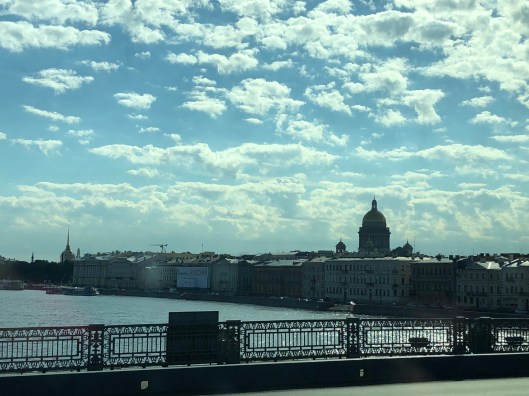
#108 - St Petersburg from bridge

St Petersburg from one of the many bridges

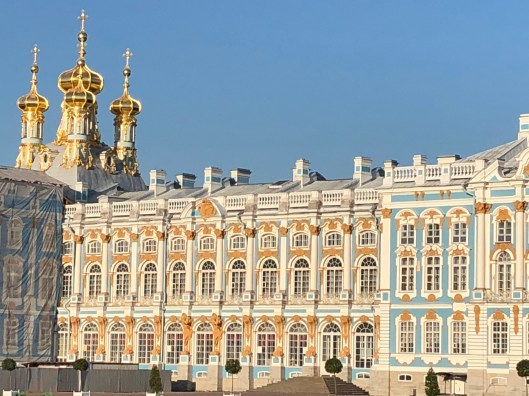
Our first tour was called “Grand Imperial Evening of the Tsars” – and grand it was. Wow! The Catherine Palace is located about 30 km south of St. Petersburg, in the town of Pushkin, and began in 1717 as the summer home of Catherine I. It was expanded by her daughter Empress Elizabeth, but eventually she ordered it to be destroyed and a new, grander edifice to be built in the Rococo style. After four years of construction, the result was the 325 metre long palace we see today – much of it paid for personally by Elizabeth. Her daughter-in-law, Catherine the Great, continued to update areas of the palace in the architectural style of the day although it wasn’t used by the royal family after her time. Pushkin was actually the front line of the German forces during the siege of Leningrad and as they retreated, they destroyed the residence leaving only the hollow shell of the palace behind. It is still being renovated and refurbished to its original glory.

#82 - Catherine's Palace

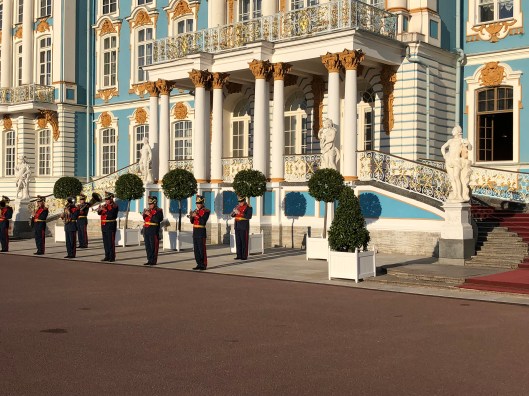
Our first stop was the carriage house where we were able to see many of the carriages used by the Romanov family. Their dynasty lasted 300 years – from 1613 – 1917. When we arrived at the palace, we were welcomed by the band of the Imperial Guards and led into the palace where we had a small group tour.

#84 - Royal Guard

It was wonderful to visit without the large crowds experienced in many museums and we were able to take photos in the amber room, which isn’t normally allowed.

The amber room alone has been reconstructed at a cost of €11.5M.

#95 - Amber Room

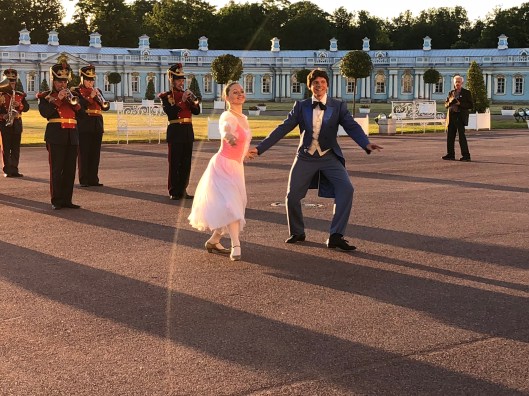
After the tour we were welcomed into the Grand Hall with a glass of champagne and treated to a concert by a string quartet. Then there was a great trumpet flourish and Catherine the Great arrived, proposed a toast and invited the dancing to begin. A couple, in period costume, provided a short program of period dances accompanied by the string quartet. Then it was time to move on to dinner.

We were treated to another dance outside before being escorted out by the band of the Imperial Guards.

#105 - More dancing outside

A restaurant in one of the wings of the palace was the location for our group dinner consisting of salad, mushroom soup, salmon with shredded carrots and potatoes, and raspberry sorbet. Wine and vodka were complimentary.

We returned to the ship by 11:15 p.m. but it didn’t feel that late because it was still light out. This was one of the most expensive excursions we took, but I think we both agree it was a special treat – probably the highlight of our trip – and therefore worth every penny.

Baltic and Scandinavian Treasures – Day 8

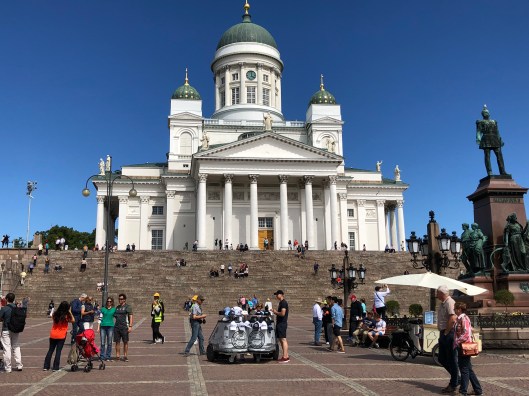
June 27th – it was another later start today as our ship didn’t arrive in port until 10 a.m. Helsinki is said to be distinctly different than most other Scandinavian capitals and is closer in temperament and looks to the major cities in Eastern Europe. For years, an outpost of the Russian Empire, much of its design and some of its architecture is modelled after St. Petersburg. The centre of Helsinki is Senate Square is dominated by the Lutheran Cathedral – a gleaming structure located high above the square.

#53 - Helsinki Main Square

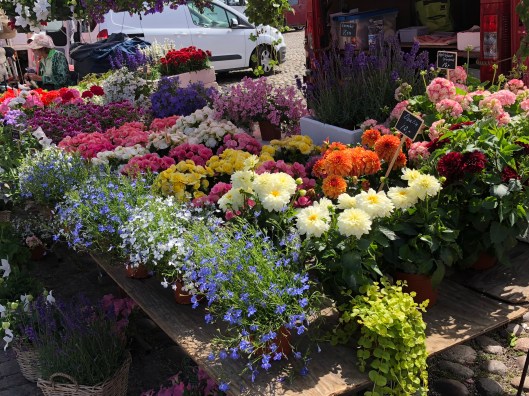
Our tour began in the square from which we were able to walk to the local market to see the many different handicrafts and specialty foods of the area. We were impressed with the fresh fruit available but the prices were probably 1.5 times what they would be at home.

#55 - Market Flowers

After about 30 minutes we re-boarded the bus destined for the medieval town of Porvoo, about an hour away. The drive through the countryside was quite relaxing as the guide told us about the economy, the educational system and other interesting facts. The siting of two elk was a highlight for those with sharp eyes.

Porvoo is one of six medieval towns in Finland and dates back to the 1300s. The Lutheran Cathedral sits at the top of a steep hill overlooking the town. Many of the buildings are wooden and date back to the 17th and 18th century, having been rebuilt after a fire destroyed much of the town in 1760. In 2006, a drunken young man set the church roof on fire causing a great conflagration. The roof was completely destroyed but much of the inside was spared.

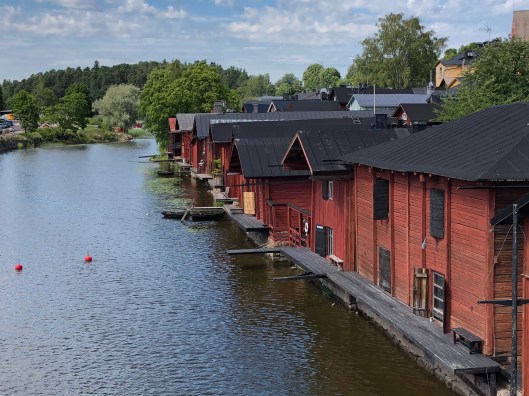
A number of red-coloured storage buildings along the riverside are proposed to be designated a UNESCO World Heritage Site.

#69 - UNESCO Storage Buildings

We stopped for afternoon tea at Hilmi’s Cafe, a very old-fashioned tea room. The specialty is  Runeberg Cake named after J. L. Runeberg, Finland’s national poet. It is served everywhere across Finland on their National Holiday but only in Porvoo the rest of the year. Legend has it that he asked his wife for something sweet for breakfast and she made the cake from what she had in the cupboard – flour, breadcrumbs, rum and almonds, decorated with raspberry jam and icing. I also tried the coffee given that Finns drink more coffee per capita than anyone else in the world.

The town also has a chocolate factory at which a purchase had to be made. Check out the picture above…that cold, smooth treat is the same in any language!

Our return trip to Helsinki covered much of the same roads although a drive along the waterfront park system made for a lovely end to our tour.

Dinner tonight was at Red Ginger, an Asian-inspired restaurant…chopsticks and all. As usual – excellent food and attentive service.

Now we’re off to the evening musical program, a variety show based on the songs of Peggy Lee. Must be our age, eh!


Baltic and Scandinavian Treasures – Day 7

June 26th – The cruise into Riga, Latvia this morning was a pleasant surprise as the temperature had moderated and the sky was a bright blue. I spent a few minutes on the balcony watching as we cruised up the river and turned around into our berth. Amazing how easily the ship seems to be able to manoeuvre. Latvia is the second largest of the Baltic states and Riga is the capital city. The city is known for its buildings of remarkable Gothic, Baroque, Classicism and Art Nouveau architecture. Many of the buildings were damaged or destroyed during the various wars, but attention has been paid to reconstruction in the original style. It appears that they are very proud of a section called Old Town included on the United Nations World Heritage sites listing in 1997. Like the other Baltic States, Latvia became independent in 1918, only to fall under communism after WWII. It gained its independence again in 1991. Today, Latvia is enjoying one of the fastest growth rates in Europe.

#45 - Riga, Latvia

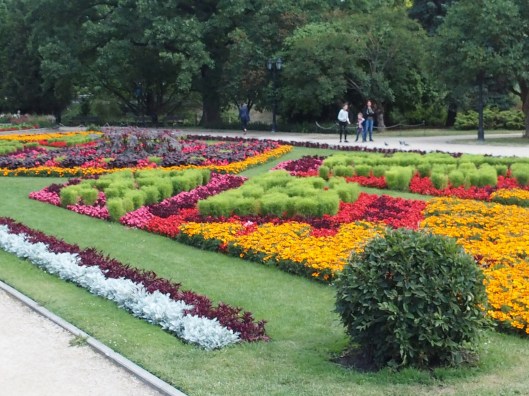
Our tour today was a combined bus and walking tour of Riga. The importance of the architecture was very much a highlight of the tour. Like many European cities, Riga has many squares which are used as gathering spots, local markets and usually are decorated with beautiful flower displays.

The Daugava Rivers runs through town and the park along the side of the river was particularly inviting – nice to walk through but don’t walk on the grass, and no picnics allowed.

OLYMPUS DIGITAL CAMERA

Floral Display in Central Park

OLYMPUS DIGITAL CAMERA

Unexpected rendition of Oh Canada as we rounded the corner

OLYMPUS DIGITAL CAMERA

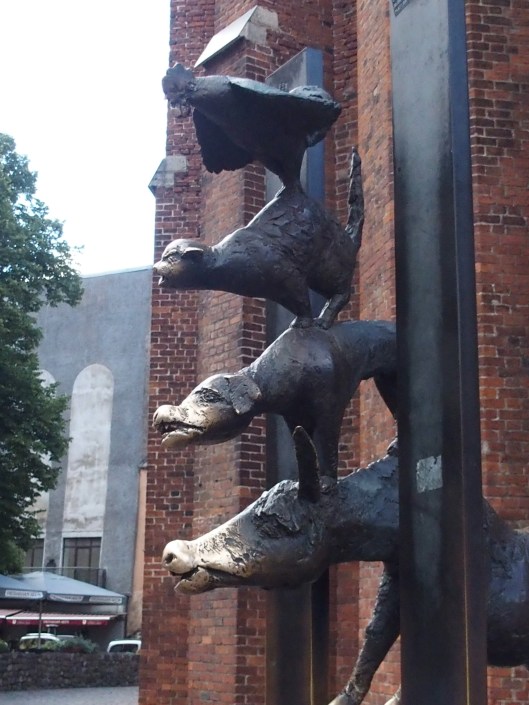
How high you can jump to touch their nose determines how long you’ll have good luck

We attended two lectures this afternoon – one about the Russian tole work (boxes and Matryoska dolls) and the other a continuation of the Russian series. Both were excellent and informative.

GO Next arranged a reception for the ten people travelling through the U of T alumni program. We then enjoyed dinner together in the Grand Dining Room. It’s quite an interesting group of professionals – well-educated and well-travelled.

Baltic and Scandinavian Treasures – Day 5 & 6

June 24th – Today was a light travel day as we were at sea the whole day, sailing from Germany to Lithuania. After breakfast we spent a quiet morning reading and dozing. The afternoon was much busier with two lectures and a cooking class.

The first lecture was a brief background to the Baltic States by Prof. Kathleen Wulf, a retired professor from USC. She did a great job in 45 minutes covering each of the three countries we will be visiting in this area.

The second lecture was about the history of Carl Faberge – jeweller to the Tsar and many other famous characters. It was interesting to hear about many of the famous eggs and sad to learn that there is only a minimal involvement in the company by distant relatives. In fact, the Faberge name was licensed many years ago and its value has been basically lost.

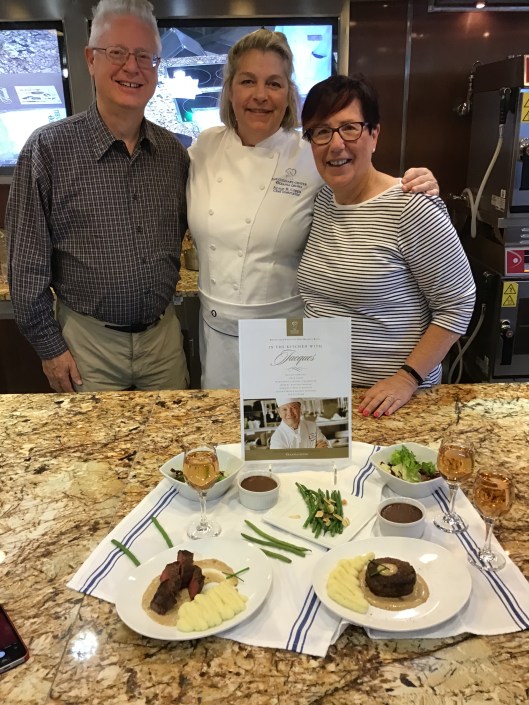
The excitement of the day was a cooking class in the cuisine centre. What fun! We learned how to make a creamy vinaigrette dressing, cook green beans so they taste like they’re fresh off the vine, make steak Diane, creamy mashed potatoes, and a chocolate pot de creme. It all tasted wonderful…if one could ignore the quantity of butter and 35% cream used along the way.

Cooking class

We could easily have been satisfied with a bowl of soup for supper, but we had been invited to join the Smiths for Ruth’s birthday celebration. Another meal and cake with ice cream – we just waddled back to our room. Conversation over dinner was interesting and varied. Joining the foursome was Max, an architect from the US who had worked in Iran during the downfall of the Shah. He told some really interesting stories. It has been a challenge trying to engage with Americans without discussing the current political situation. We work diligently not to use the ‘T’ word.

June 25th – we arrived in the port of Klaipeda, Lithuania, about 7 a.m. after a rather noisy few hours. It was quite windy out and we think the wind was bouncing off our veranda divider causing a whining noise. It started about 3:30 a.m. and continued until we entered the channel into port. We were able to sleep a bit but we were both quite restless. It had to be loud for it to awaken George!
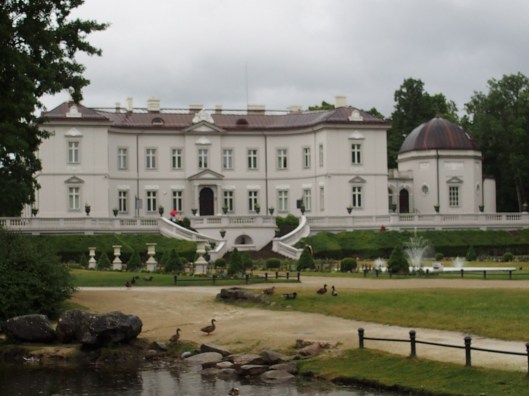
Lithuania is the largest of the Baltic countries that we will be visiting. It covers 25,200 square miles and has a population of 2.7 million. The capital is Vilnius but that is too far inland for us to visit. Klaipeda is considered to be the Baltic’s finest port.

Our tour today was to the seaside town of Palanga, where we visited the (Catholic) Church of St Mary and the palace of Count and Countess Tyszkiewicz. The family were very wealthy and used their wealth to develop the town. The church built by the Countess is, once again, made of brick since there is no natural stone in the area. It was finished around 1923. Deconsecrated during the Russian occupation it was used as a music school. Following independence it once again became a church but church leaders had to bring in altars and other religious necessities from churches in France since the originals had all been destroyed.

OLYMPUS DIGITAL CAMERA

St Mary’s Klaipeda

OLYMPUS DIGITAL CAMERA

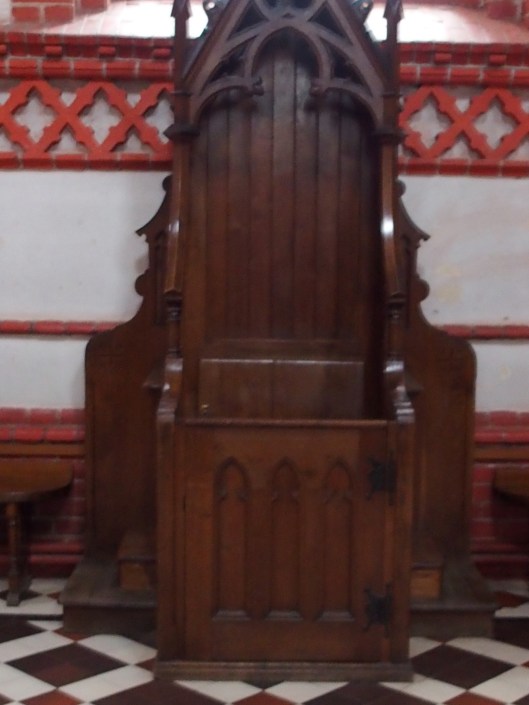
Open confessional – no privacy here

The palace is set in an idyllic botanical garden with a long footpath between the road and the house. The gardens include two man-made ponds, annual gardens and rose gardens. Behind the palace is a short walk to the sea. All of the trees in the surrounding forested area were planned and planted intentionally. The family is thought to have fled to the United States through Germany to avoid the Russians but they have completely disappeared despite an extensive search by researchers.

OLYMPUS DIGITAL CAMERA

Amber Museum

OLYMPUS DIGITAL CAMERA

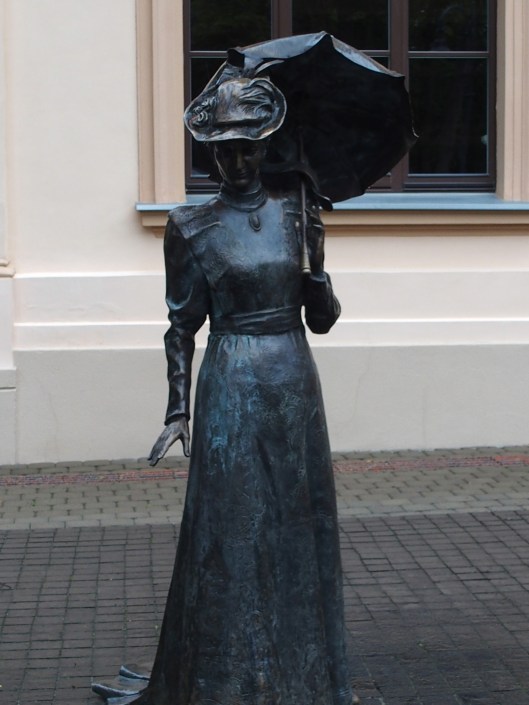
The Countess

The main floor has been reconstructed as living quarters with period furniture sourced from the area. The second floor houses the Palanga Amber Museum where one can see how amber develops and view many different kinds of amber. Unfortunately time didn’t permit an in-depth visit.

Our next stop was the old town of Klaipeda where we got to taste Lithuanian beer and take a brief walking tour ending up at an amber showroom. From there we returned to the ship on foot.

OLYMPUS DIGITAL CAMERA

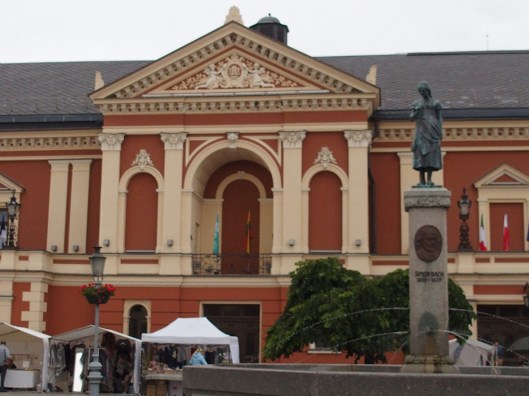
Theatre Square with monument dedicated to Simon Dach, a German poet born in Klaipeda

OLYMPUS DIGITAL CAMERA

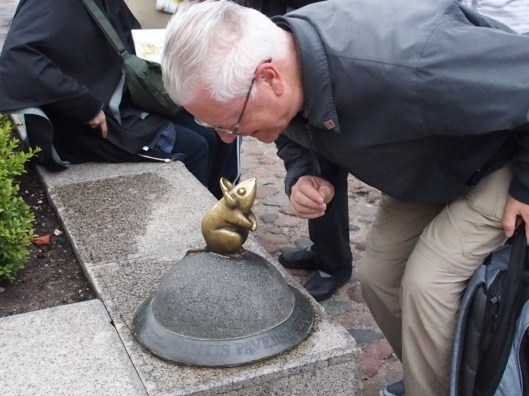
Kiss the mouse and make a wish

After lunch and a brief rest we attended another lecture by Prof. Wulf – this time about Russia. Part one took us up to the end of WWI. Tomorrow she will continue through to present day. Dinner tonight was at the Polo Grill – a steakhouse.

Baltic and Scandinavian Treasures – Day 4

June 23rd – We awoke this morning in the seaside town of Warnemunde, Germany. The construction of a new terminal in 2005, has made it the most important harbour for cruise line ships in Germany. Since our tour didn’t leave until after lunch, we took the opportunity to have a quiet morning and then walk into town. It was quite busy in town, with lots of families and tourists. It looks like a place that many locals would visit for the day. It’s also the hub for ferries traveling to and from other towns/cities along the coast and to Sweden.

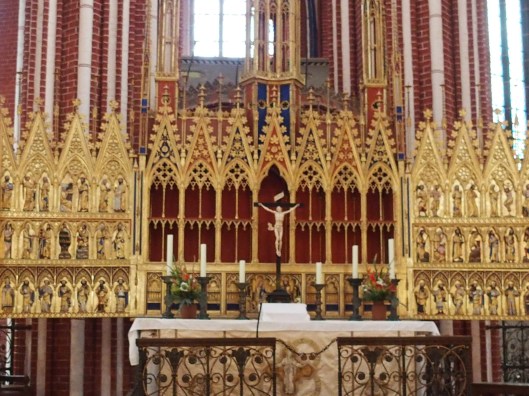
Our afternoon tour took us on a countryside bus tour out to see the Minster (Church) at Bad Doberan. It is culturally significant for many reasons. The first abbey was founded by the Cistercian monks in 1171 and the current abbey dates back to 1368 – having mostly escaped the ravages of war. Through the activities of its inhabitants, the abbey greatly contributed to the cultural and economic development of Mecklenburg and became the centre of Christianity in the region. The altar is the oldest wing altar in art history and some of the tombs are considered to be treasures.

OLYMPUS DIGITAL CAMERA

Minster at Bad Doberan

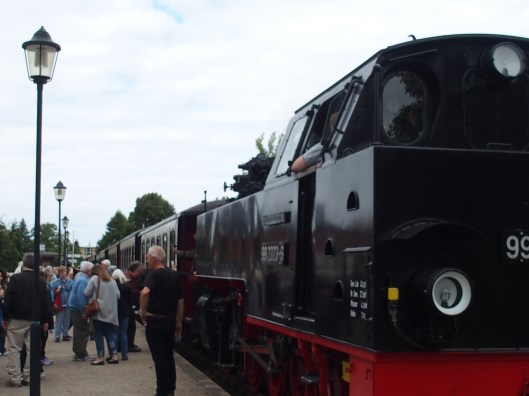
After another brief drive we boarded a narrow gauge steam train that took us to Kuhlungsborn, another seaside town, where we enjoyed afternoon tea and a brief walkabout. Had the weather been better, a walk along the beach may have been nice. The train tracks were built during Franz Frederick II’s time (1880s) as a “keeping up with the Jones” thing. Because of cost he conceded to the narrow gauge. The rail line has run continuously for over one hundred years – the last 20+ as a private system.

OLYMPUS DIGITAL CAMERA

Steam Train

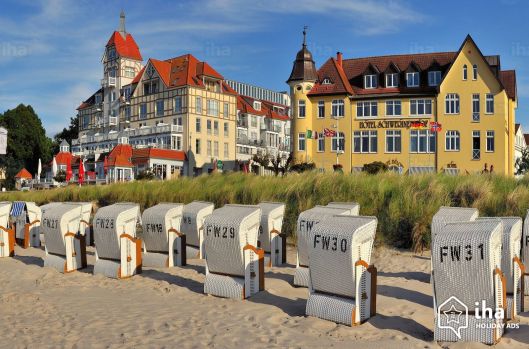
Kuhlungsborn has an interesting story attached to it. As an East German town, it wasn’t allowed to be used as a vacation spot because the Communist government feared people would escape into international waters, and in fact many tried. Since reunification it has become a very active seaside resort with old homes being refurbished and new homes being built. On our way in the bus, we passed the first golf course to be built after reunification, since they were not allowed under the Communists.

#35a - Kuhlungsborn-Beach

It was a very interesting afternoon with an excellent guide, Ulf, who resides in the area and was passionate about the history and folklore of this place.

We arrived back at the ship just in time for a quick change and then to dinner at Jacques. This is one of the specialty restaurants onboard and is French cuisine. George had scallops and I had lamb. The pea vichyssoise was particularly memorable.

Baltic and Scandinavian Treasures – Day 3

June 22nd – Our day began a bit earlier today given that it was check-out day at the hotel. All our bags had to be boarded onto the bus since the final stop on our tour was our ship. Today’s tour was around Copenhagen with the first stop at the Amalienborg Palace. Built in the 1700s, the property includes four different residences – one for Queen Margarita, one for Crown Prince Ferdinand, one for his brother, when he is in town, and the fourth for the Queen’s sister. The residences are built in an octagonal shape around a large square anchored by a domed church called The Marble Church. Our time in the square was shortened by an unexpected downpour.

OLYMPUS DIGITAL CAMERA

Marble Church

OLYMPUS DIGITAL CAMERA

Palace

OLYMPUS DIGITAL CAMERA

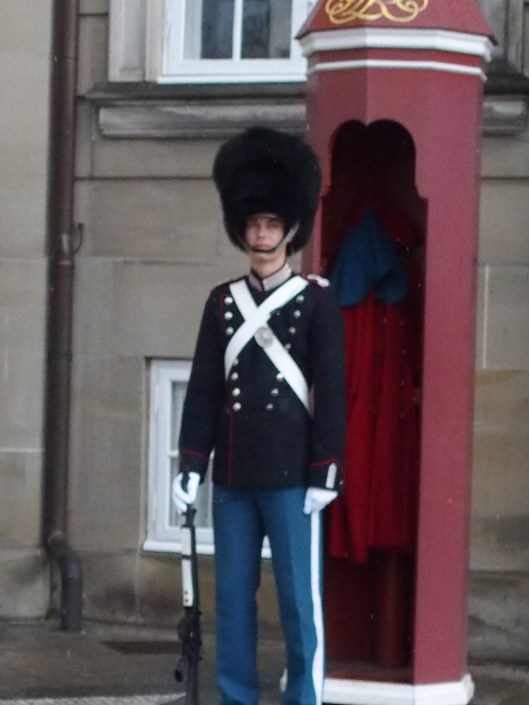
Palace Guard

Our next stop was the Rosenberg Castle, home to the Crown Jewels. Even though we had an hour here, it wasn’t long enough to get more than a glimpse of all the artifacts in the museum. It was also crowded in some places making it difficult to see and hear.

OLYMPUS DIGITAL CAMERA

Rosenberg Castle

During our drive we passed the new Opera House donated by Mr. Maersk of shipping fame, the new theatre, a unique residential area called Christiana, the Christiansborg Palace, seat of the Danish Parliament, and many others points of interest. We agree that we’d like to come back and spend a few more days here.

OLYMPUS DIGITAL CAMERA

Maersk Opera House

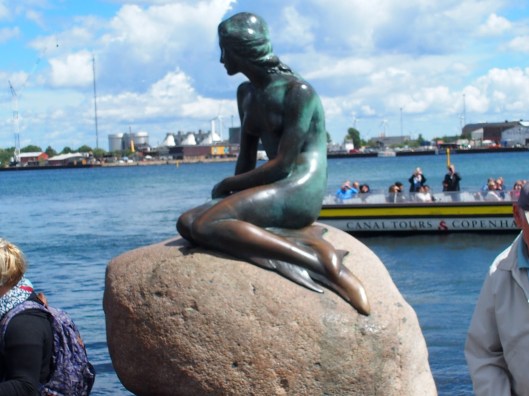
Our last stop was a quick one to photograph The Little Mermaid, inspired by Hans Christian Andersen’s tragic love story. Then it was off to the ship.

OLYMPUS DIGITAL CAMERA

Little Mermaid

We were quite impressed by the speedy boarding process compared to others we’ve encountered. Given that we booked an upgraded suite, we found our room ready when we arrived. After lunch, we unpacked and had a short rest before attending the Go Next welcome reception where we met others from various Canadian Universities. We struck up a conversation with the Smiths from Ballantrae – he is a retired accountant but serves as a municipal Councillor. We invited them to join us for dinner and spent a delightful evening finding many common points of interest.

We returned to our room and celebrated the beginning of our cruise with champagne compliments of Oceania Cruise Lines.

Baltic and Scandinavian Treasures – Day 2

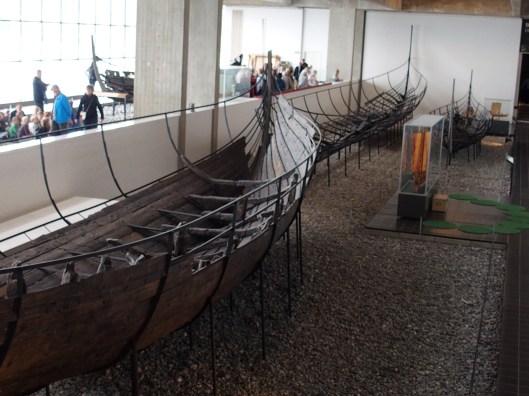
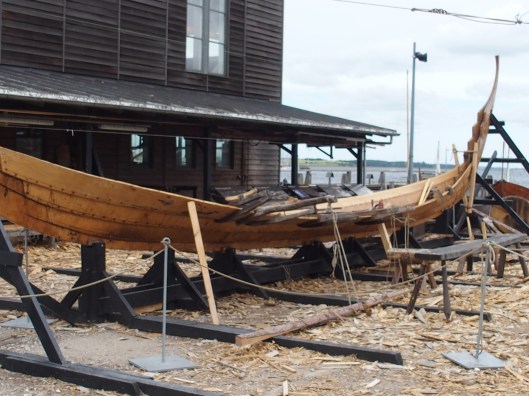
June 21st – Not getting up when the alarm first rings can be a mistake but fortunately we are quite quick in the morning. The extra hour sleep didn’t seem to deter us from getting to the bus on time for our first tour. The tour took us on an countryside excursion through farmland and small villages to tour some of Roskilde’s most prominent attractions. Roskilde was originally the capital of Denmark but fell out of favour because Copenhagen had a better harbour. Of course, Denmark is the home of the Vikings who raided and traded in these parts from about the 8th century to the late 11th century. In the 1950s the inhabitants of Roskilde noticed that parts from old ships were being washed ashore. Upon further investigation five Viking ships were found and plans to recover them, rebuild them and house them in a museum were begun. The work was finally completed in 1969. The museum includes a film which tells the story of how the ships were found and recovered, the remains of the five ships, and the stories of how the various ships were built and used over a thousand years ago. Also included is an educational boat building workshop where the various tradesmen display the art of building a Viking ship.

OLYMPUS DIGITAL CAMERA

One of five ships foound

OLYMPUS DIGITAL CAMERA

Learning how to be a Viking

OLYMPUS DIGITAL CAMERA

Building a an exact replica

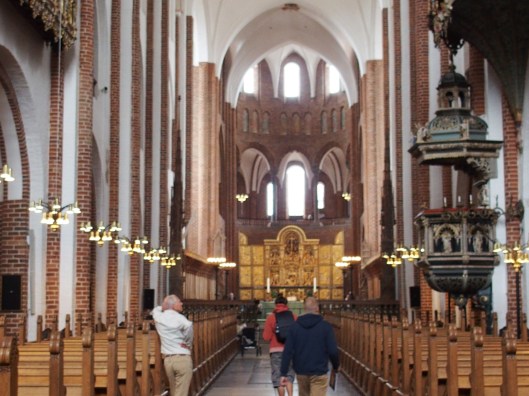
Our next stop was the Roskilde Cathedral, a UNESCO World Heritage Site. Built in the twelfth century, the twin-spired structure is the burial place of more than 40 Danish monarchs and was the first cathedral to be built from brick. This inspired the spread of brick Gothic architecture throughout Northern Europe.

OLYMPUS DIGITAL CAMERA

Roskilde Cathedral

OLYMPUS DIGITAL CAMERA

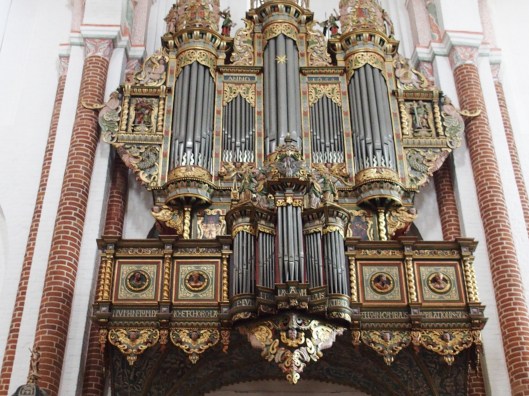
Cathedral Organ

OLYMPUS DIGITAL CAMERA

King’s door – only King can enter this way

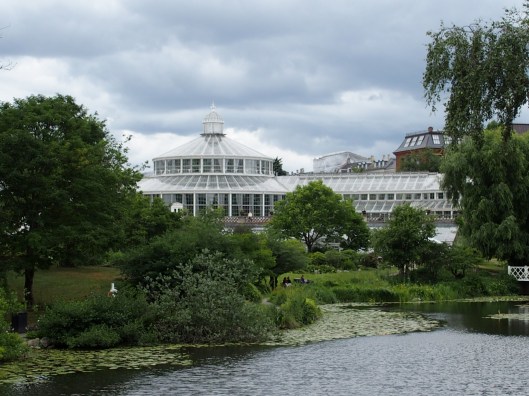
On return to the hotel, we had a brief rest before heading off to the Botanical Gardens. Its main feature is the Palm House which dates back to 1874. This is a huge greenhouse complex which we found closed for renovations unfortunately. All we could do was peek in the windows! Outside there was a good display of perennials and plants from all around the world. It certainly would have been a more pleasant afternoon had the sun been shining.

OLYMPUS DIGITAL CAMERA

Palm House

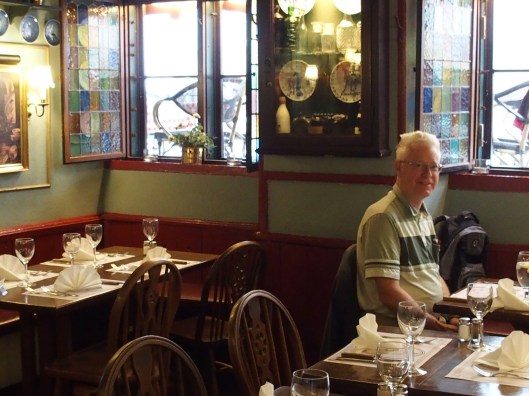
Dinner tonight was at one of the oldest restaurants in Copenhagen. Det Lille Apotek occupies the same spot as it did when it first opened in 1720. The interior has not been altered in over 150 years and contains the same petroleum lamps, painted windows and pictures that were there when writers like Hans Christian Andersen called it their local pub. Dinner included roast duck with potatoes and red cabbage for me, wiener schnitzel with potatoes and peas for George and a selection of cheeses and home-made crackers shared for dessert. Again – a lovely spot and great recommendation from one of our guides.

OLYMPUS DIGITAL CAMERA

Det Lille Apotet – c1720

Baltic and Scandinavian Treasures

June 19th – We left today for our long-awaited Baltic cruise. I say long-awaited because it was planned for our 25th anniversary in 2002, but 9/11 happened and the following summer there were only two cruises to choose from and neither fit within our respective work schedules. We decided to wait for better timing, which I guess has finally come.

Our tour is arranged through Go Next and sponsored by the University of Toronto alumni association. It’s the first time we have travelled on such an organized tour and I must say, it was a bit strange not booking hotels or checking flights….and not being able to tell people where exactly we are going.

Our flights were through Iceland which was a new experience for us. The two legs of the flight were 4.5 hours and 3 hours with about a 2 hour layover. I think we’d both prefer a direct flight…for the small difference in price, although for this trip we weren’t given an option. Neither leg was long enough for a good sleep – or what passes for sleep on an airplane – and then there’s the boarding and deboarding routines.

It was nice arriving in Copenhagen airport and having our transfer to the hotel waiting for us on the other side of the arrivals lounge. There are about 90 people on the pre-cruise tour which meant Go Next was back and forth between the hotel and the airport many times yesterday. After finding our room and thanking the porter for delivering our luggage, we crashed for a wee rest.

Copenhagen City Hall

Copenhagen is a very clean and safe city. At this time of year sun rise is about 4 a.m. and sunset is about 12:00 a.m. After our rest we headed out for a walk along Nygade Street which is a pedestrian only street. We found a lovely Danish restaurant, called Eros, at the top end of a square full of restaurants and dined on Danish smoked salmon and Danish beef…a lovely meal, friendly servers and nice ambiance. It was a bit windy and we were glad we chose to eat indoors despite the host suggesting we should eat outdoors on a nice summer evening!

Despite our best intentions, neither of us made it through The National tonight. I guess we were a bit tired.