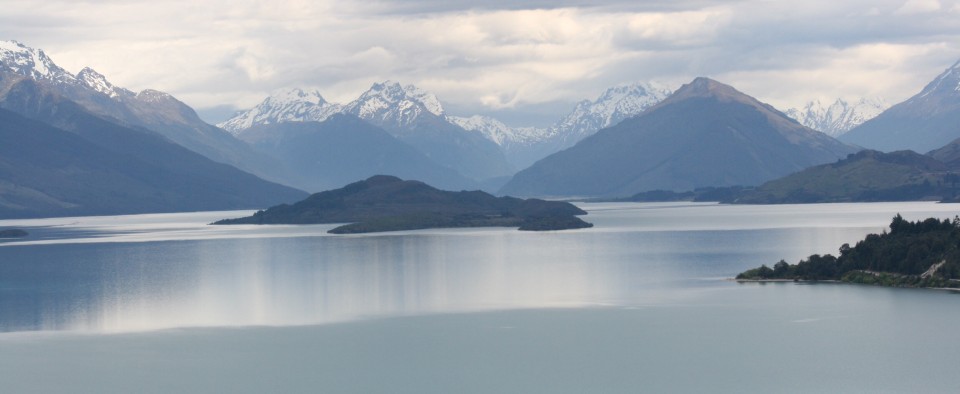
Scrabbling across Cook Strait

Nov 1st – Our ferry ride from the North Island to the South Island was via the Aratere a large ship capable of transporting people, cars, trucks and even rail cars. We turned our Ford Monteo in at the ferry terminal and boarded the ship on foot. Because we weren’t returning the car to the north island, the car company automatically arranges for a new car to be available on the other side. This ensures that all the rental cars don’t end up on the South Island.

Before we were out past the Wellington headlands, we were able to watch two planes land as we passed the airport on one side of the peninsula and two others take off as we passed the airport again on the other side of the peninsula. A most unique experience.

Our seat mates were two NZ ladies – one from the north island and her elderly aunt from the South Island. We were playing scrabble to fill the time and since neither of them had seen the game before we engaged them in each of our moves. How surprised we all were to have the game end with Nancy putting down a seven letter word (& picking up seven vowels) and then George putting down a seven letter word to win the game. We’ve never seen that before. Part way through the voyage we were served tea and fresh scones (with the obligatory jam and cream). Yummy.
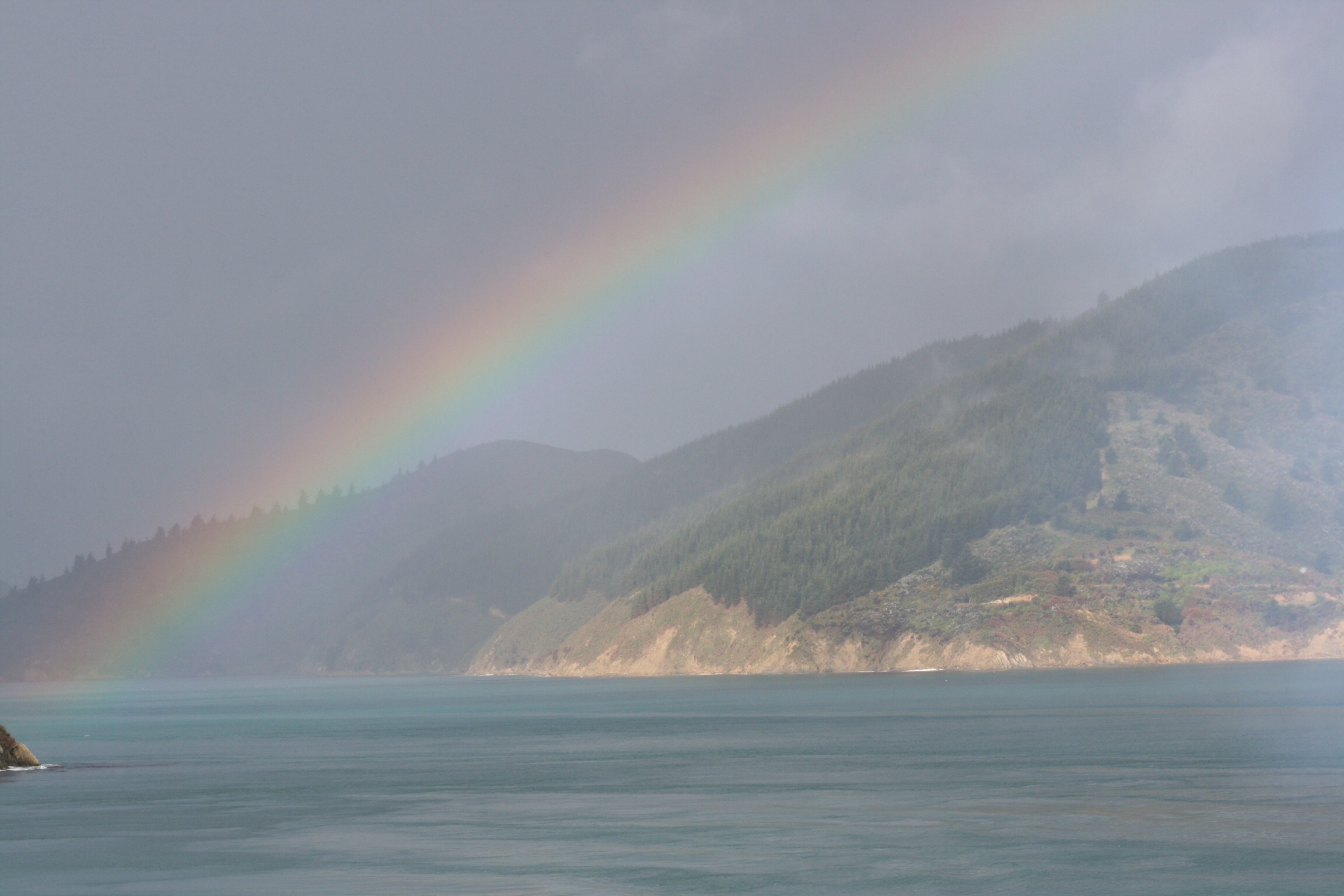
imageThe scenery through the Queen Charlotte Sound was stunning. Since the weather had been fairly wet that day out in the Sound, it wasn’t really nice enough to be up on deck for an extended period of time. We did however venture out once we saw the sun and were greeted with a full-on rainbow beginning on shore and ending in the water. Gorgeous.

We were fortunate to have made it across on the Aratere when we did. Just this week we heard on the news that it lost a propeller on a recent trip and has been taken out of service. Folks are quite upset since they are going into the busy travel season with restricted access between islands.

Once we arrived on the other side we picked up our new car. It really was new (only 150 km on it) but even more special is that it’s a Toyota RAV4 with keyless entry. Just keep the key in the purse and everything works fine – except that you have to remember to touch the handle when exiting to lock it.
Wellington the city with no parking

Many of the cities in New Zealand have limited parking, which isn’t a problem because they typically aren’t that busy and free on-street parking works well. It’s often posted as P30 or P120, which means that you can park free for 30 minutes or two hours. Wellington however is another story. Most on-street parking is P30 and two of their large indoor parking garages were closed because of damage from recent earthquakes. Finding a place to leave our car was an exercise in feeding the meter regularly every two hours.

Our first stop was a trip up Mount Victoria, which provides a 360* view of the capital. It’s actually smaller than Auckland both in size and population even though it is the capital city. Then we found a place to park the car for two hours and headed off for a tour of the Parliament Buildings, nicknamed the beehive because of its unusual shape. The guide provided an excellent tour and we had a bit of a chuckle when he described how they used to have a senate but abolished it in the 1950s. Canada could learn a few lessons, eh? Government without an upper house works here because they have partial proportional representation so a majority government is hard  to achieve and they have given more power to their legislative committees than is normal in Canada.

We then picked up our car and drove down to the museum situated in a recently built building down by the waterfront. The museum is called Te Papa and is quite unique. It’s New Zealand’s national museum and has been designed to be quite interactive. Again, we took a guided tour to orient ourselves and then spent about 90 minutes browsing through the various sections on our own. We were both impressed with an interactive display composed of stories told by young people who came to NZ  as refugees from many different countries. An interactive floor map of New Zealand provided for some fun as did some of the quirky exhibits (eg – linking period objects to historical events shown in a newsreel format).

image  image

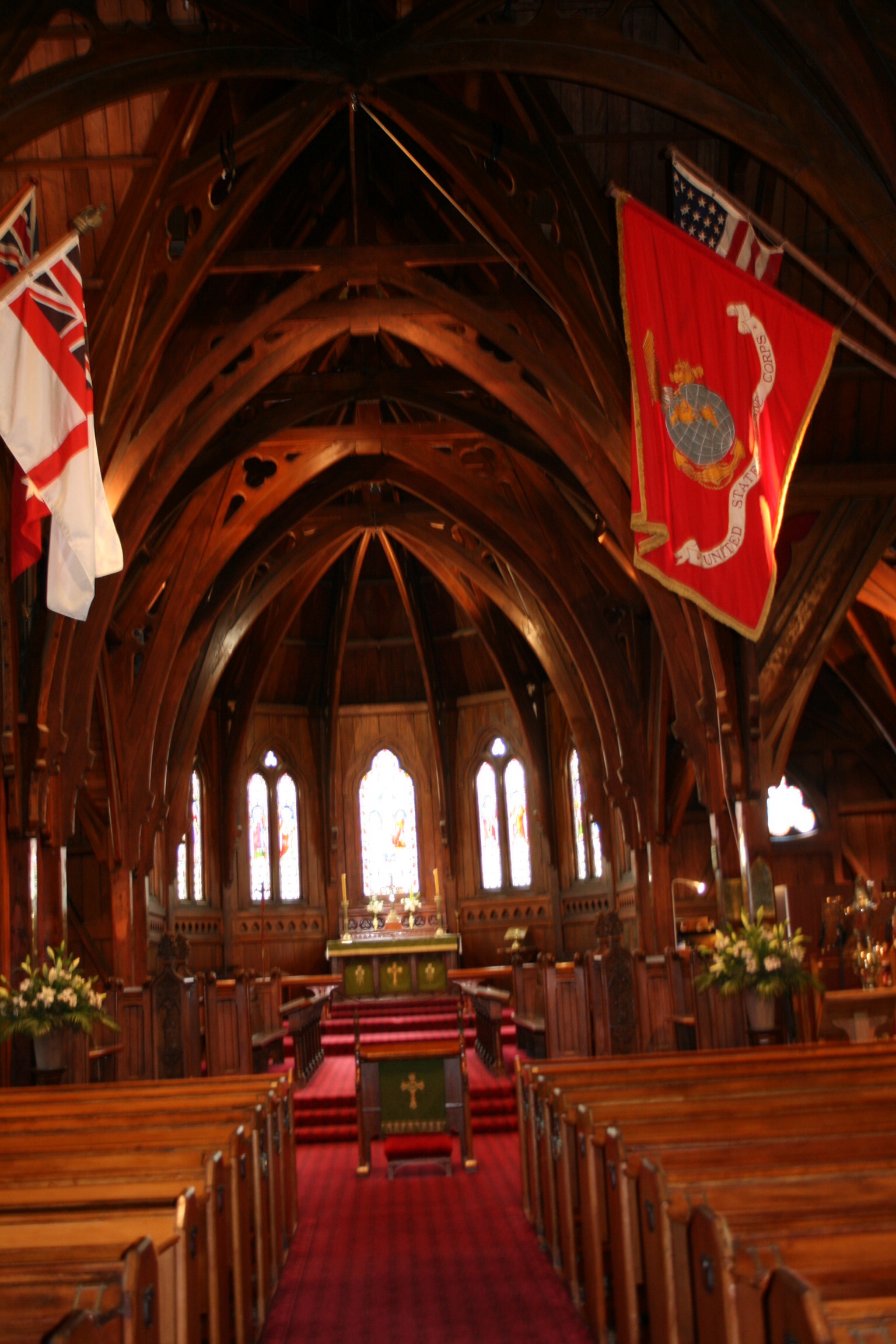
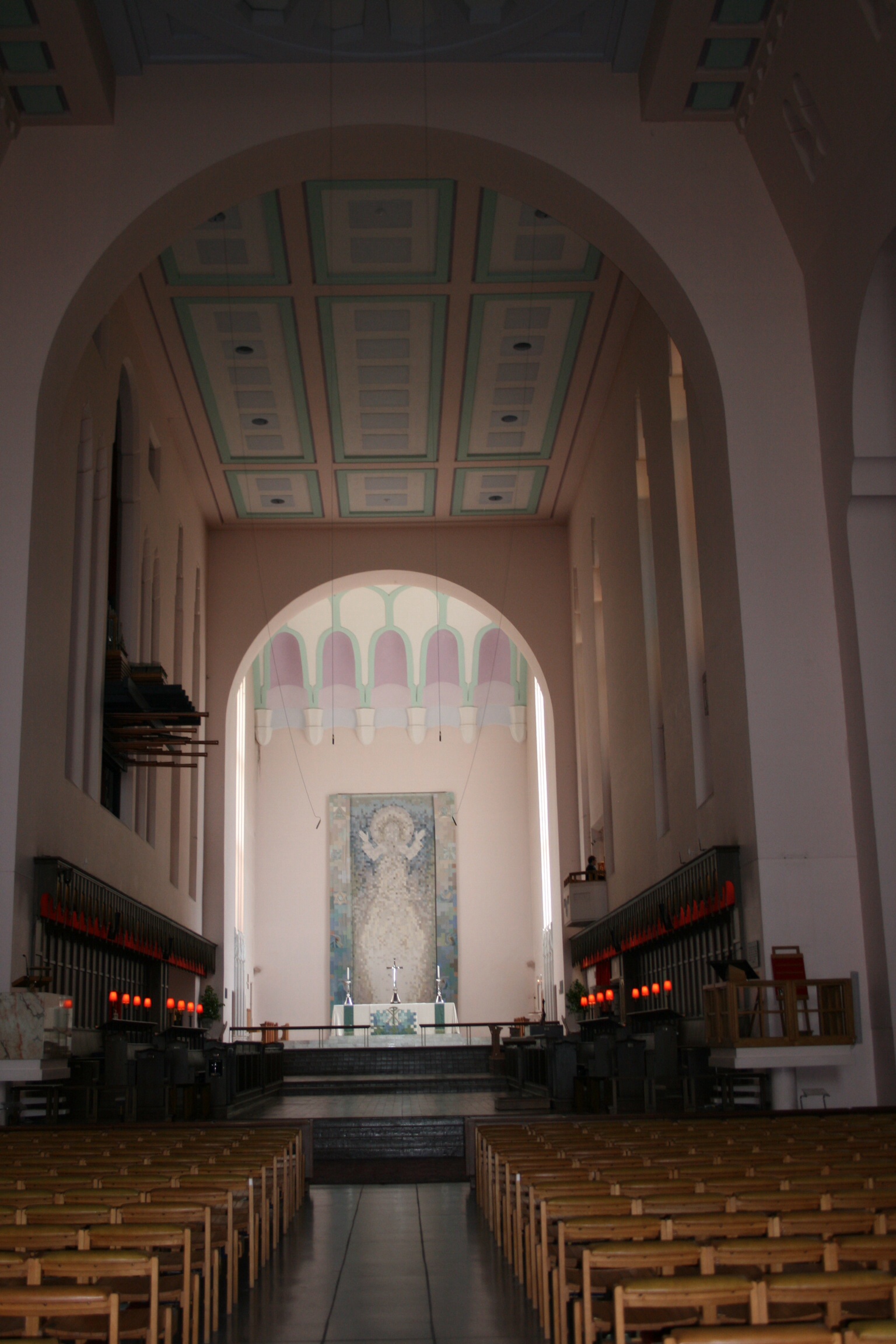
Before we left on the ferry the next day, we visited two other downtown buildings – Old St Paul’s (now used as an event centre) and St Paul’s Cathedral (a new modern building). It was certainly quite a contrast between the two buildings. The old building was typically made from wood and was a small and intimate space. While the diocese was prepared to tear the building down when it was no longer needed, people fought to keep it as a link to the past. It now hosts weddings, funerals and concerts. The new building, opened in 1998 is a large open space. We were welcomed into the building by the sounds of the pipe organ. We also found the colour scheme to be quite unique.

We were particularly intrigued by one plaque on the wall which showed the names of each bell in the bell tower and the people who had donated the funds to purchase them. The smallest one is called Little James (donated by someone with that name) and the largest one is called The Peoples’ Bell (purchased with donations from many people). Such a cute idea! They are also raising funds for a new grand piano so we’ll be bringing back an idea that could maybe be used at LPBC.

New friends in Wellington

Oct 29th – Nov 1st – There were two groups of friends that we were looking forward to meeting in Wellington.  The first was Bryan & Tricia Hawkins whom we met last year on our cruise in The Netherlands. It never ceases to amaze how you can meet people from elsewhere in the world, and then find out through conversation that you have so much in common. From the time we arrived at their beautiful home in a semi-rural suburb of Wellington to the time we left them on Friday morning, there was never a dearth of conversation whenever we were together. Bryan used to be a Senior Executive in the banking industry but in retirement he has taken up wood turning. It was fun to see his workshop and hear a little bit about how a hobby has become a passion.

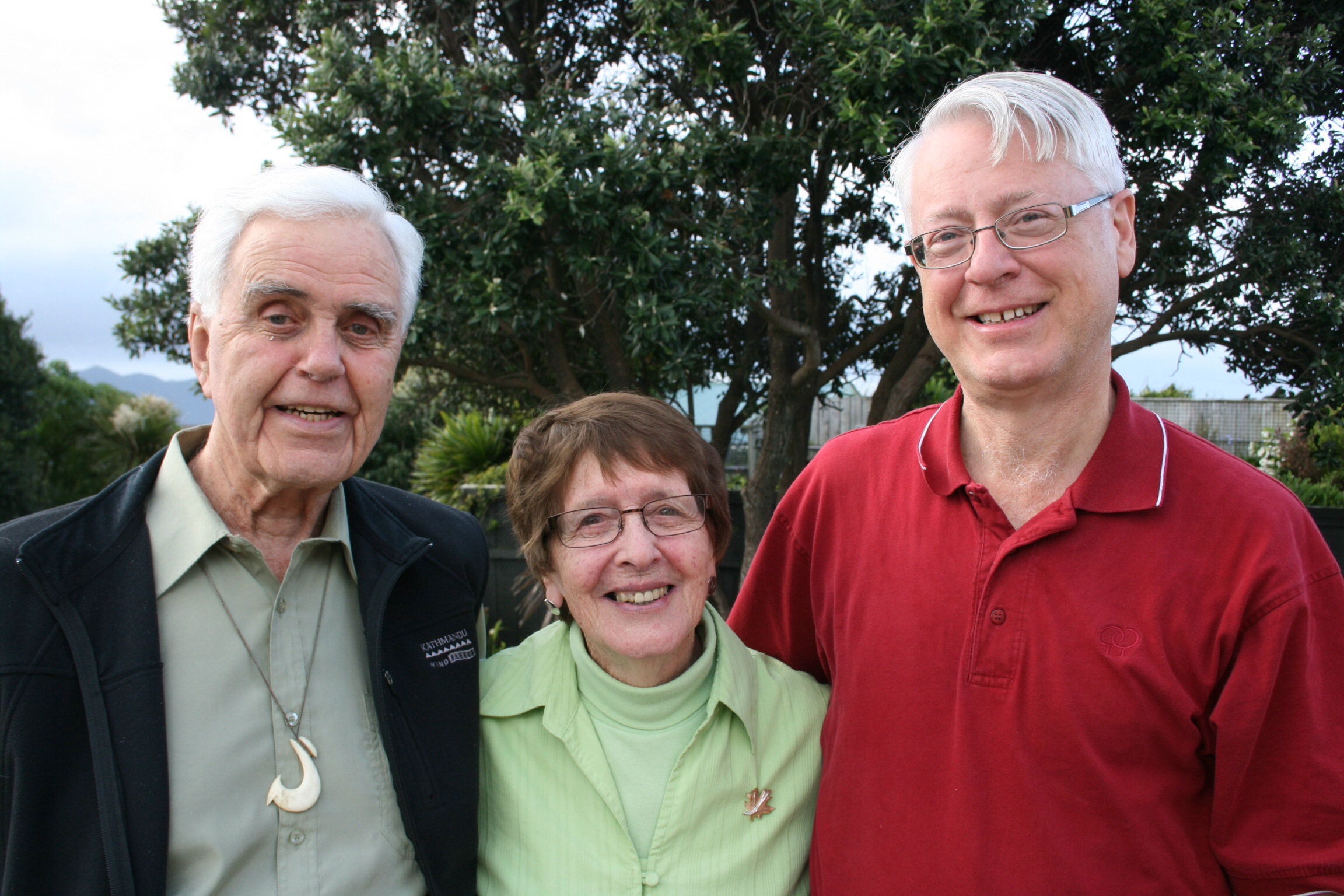
imageThe second couple we were looking forward to meeting was Shirley Erena Murray and her husband John. Shirley is a hymn writer and many of her hymns have been included in recent hymnbooks published in Canada and around the world, including our hymnbook at LPBC. John was, prior to his retirement, Senior Pastor at the Presbyterian Church in central Wellington. We arranged to meet Shirley and John so that George could interview them for the SOCHS newsletter that he edits. What a delightful afternoon we spent with them in their home at Raumati Beach overlooking the Tasman Sea. They are a charming couple – she is so humble and self-effacing; he has a wicked sense of humour. Afternoon tea around their kitchen table was a special way to end our time together.

We also made some new acquaintances in the form of people from the Hawkins’ home group. Since it was the 5th Wednesday of the month, it is their practice to enjoy a meal together at a restaurant so we were invited to tag along. Lots of fun, laughter and tips on where to go and what to see in New Zealand.

Napier, the art deco city

image

Oct 28th – What a delightful place! Napier is the story of one of Nz’s worst disasters being turned into something positive. In 1931 a deadly earthquake destroyed much of the city. Rebuilt in the architecture of the time, it wasn’t until the 1980s that people really began to appreciate the Art Deco buildings and their significance in making Napier a unique location. It has now become a major tourist area and in February they hold a Gatsby-style festival to which people from all around the world attend.

image The other attraction in the area is a number of great wineries. We spent a delightful evening at the Mission Estate Winery. The drive up to the mission house was a long path bordered on each side by majestic English Plane Trees. Dinner was delicious, the wine was excellent, but it was again a serendipity moment that made the evening special. On our way in we greeted and chatted briefly with some other guests who were arriving for dinner. After we had finished our main course, one of the gentlemen came over to chat with us to find out where we were from. It turned out that he was a retired Lutheran pastor. To make a long story short, we were invited to join the four of them in the lounge for coffee and a delightful conversation. People here are so friendly!

Before leaving town the next day, we took a guided walking tour of the Art Deco buildings followed by a screening of a video about the earthquake and subsequent rebuilding. Due to the fact that a navy ship had just docked in port the day before, word of the disaster was sent out by the ship and help arrived quickly saving lives. It really does give you pause for thought at the destruction and upset to normal life caused by earthquakes. In this case land that was previously under water was lifted and the town gained 50′ or more to their waterfront. In the case of Christchurch land that was previously useable has become nothing but shingle. We’ll be interested in hearing their story when we get there. It appears that reconstruction efforts have not been as fast or as easy as they were in other places.

Image

Rotorua and all things Maori

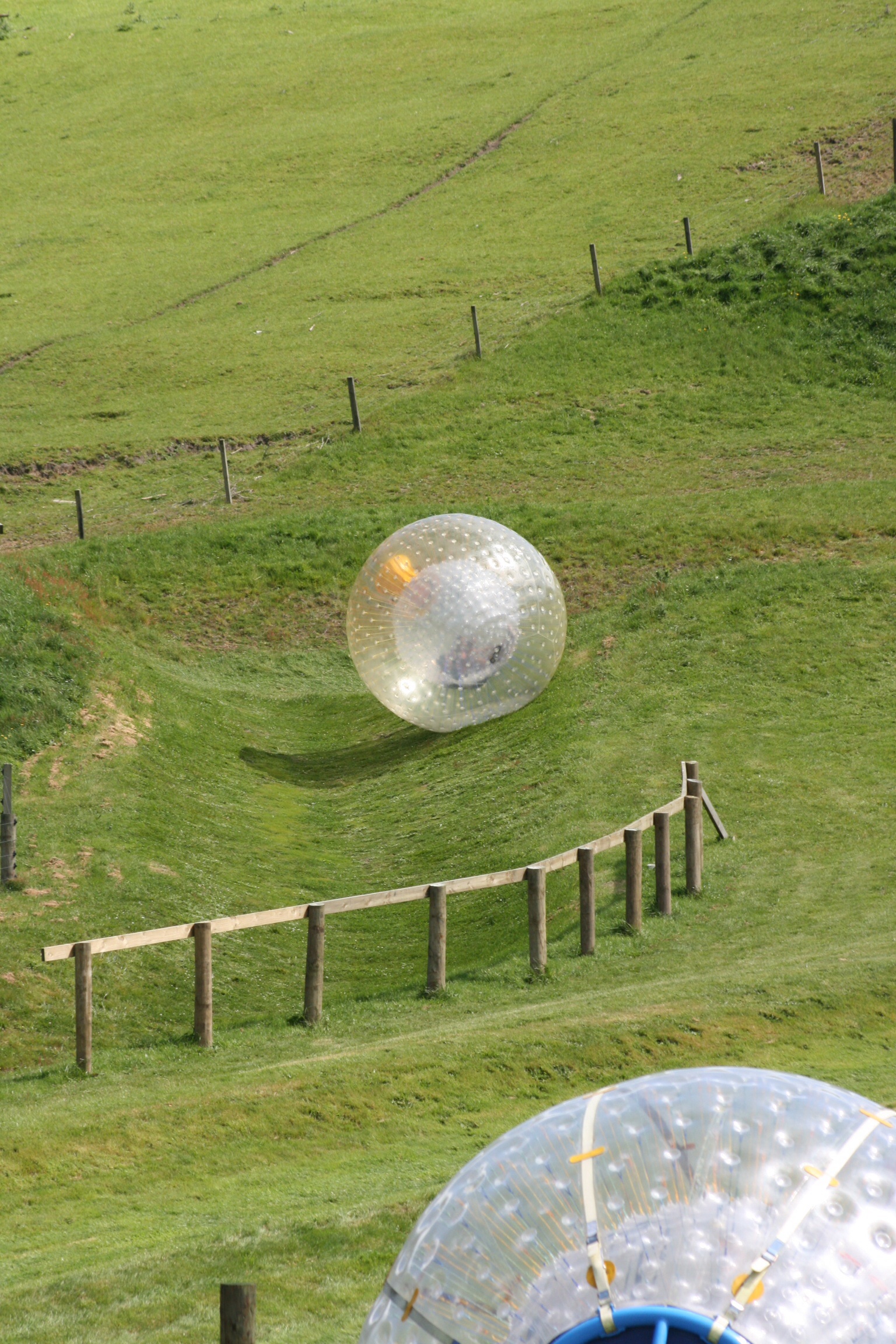
imageOct 26th – 28th – Rotorua is the centre of Maori culture and just about everyone who visits New Zealand makes their way to Rotorua eventually. On our way into town we found this Zorbing site and thought we might try it, but given that my back is acting up we decided to act our age and pass.

The centre of the city is Lake Rotorua surrounded by sulphur-rich thermal hot springs, geysers and mud pools. The smell is certainly noticeable as you enter town. We took a short afternoon drive around the lake to get our bearings.

On Sunday we had a most unique experience at the Rotorua Baptist Church. The pastor is a quadriplegic and had only had very minute movement in his hands. He was an excellent preacher and greeted us warmly after the service. He shares the pastorate with another individual so presumably all responsibilities can be covered. In the afternoon we went to the museum and again received a pleasant surprise. It was national choir day and so we enjoyed two presentations in the rotunda. All in the April Evening brought back memories of Peter Bruce.

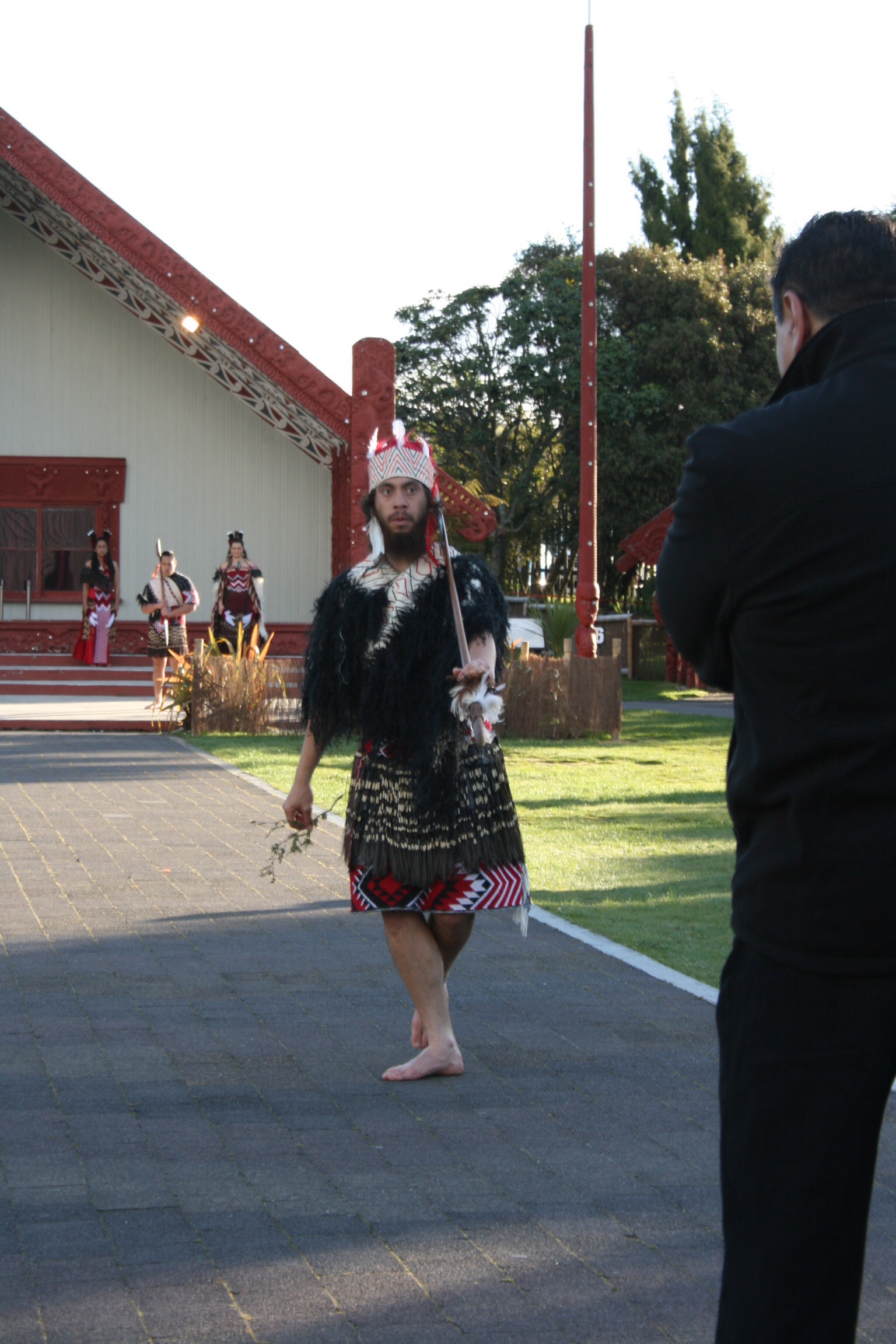
imageOur big event was going to Te Puia for the Maori Cultural Experience. We began with a guided tour of the village, the Pohutu Geyser, the weaving school and the carving school. Following the tour we were welcomed by the Maori Chief and invited to enter the meeting house for a cultural performance. This was a display of music, song, dance and some other fun activities that included audience participation. Dinner was a buffet which included traditional hangi-cooked food and contemporary Maori dishes.

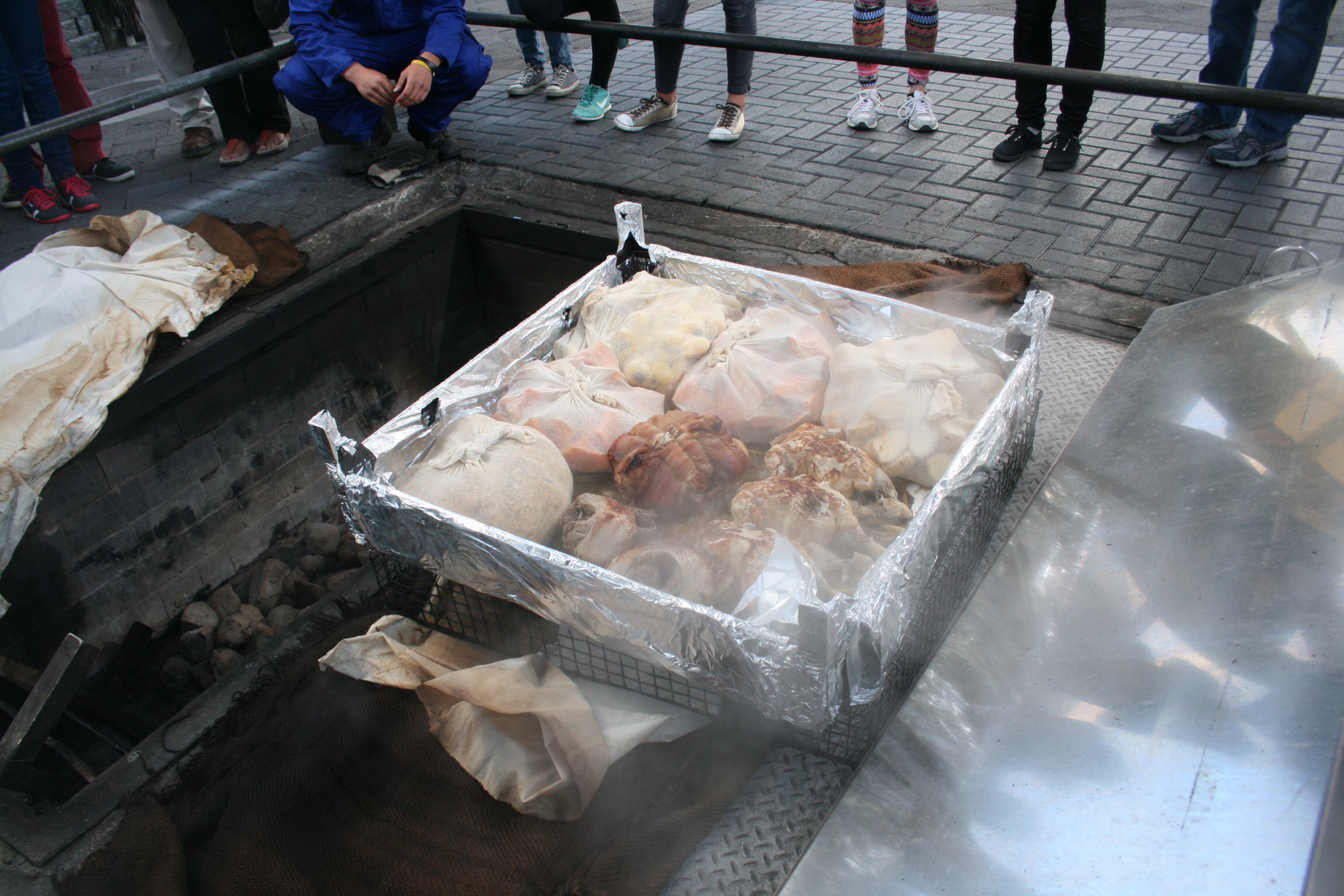
imageHangi cooking is usually done in a thermal pool but given the size of the group, our dinner was cooked in a pit using hot stones. Beef, chicken, lamb, pork, potatoes, sweet potatoes and stuffing were all included in the same pit. Because it’s slow roasted the meat was very tender. A delicious meal!

After dinner, they took us back out to see the geyser at night. Sitting on the hot thermal rocks we heard more stories of the Maori people and drank hot chocolate. Some of us had to move after a while because the rocks were just too hot!

Glow worms and waterfalls

Oct 24th – Leaving Auckland behind, we began our slow trip southward. Today’s stop is at Waitomo Caves to see the glow worms. We arrived in time to have lunch at a cafe across from our B&B called Huhu. We enjoyed the ambiance and staff so much that we decided to reserve a spot for dinner too.

Unlike George and Jenn who did the tube tour through the caves we did a more civilized boat tour. Unfortunately, no cameras allowed so there were no pictures. You can check it out for yourself at http://www.waitomo.com.

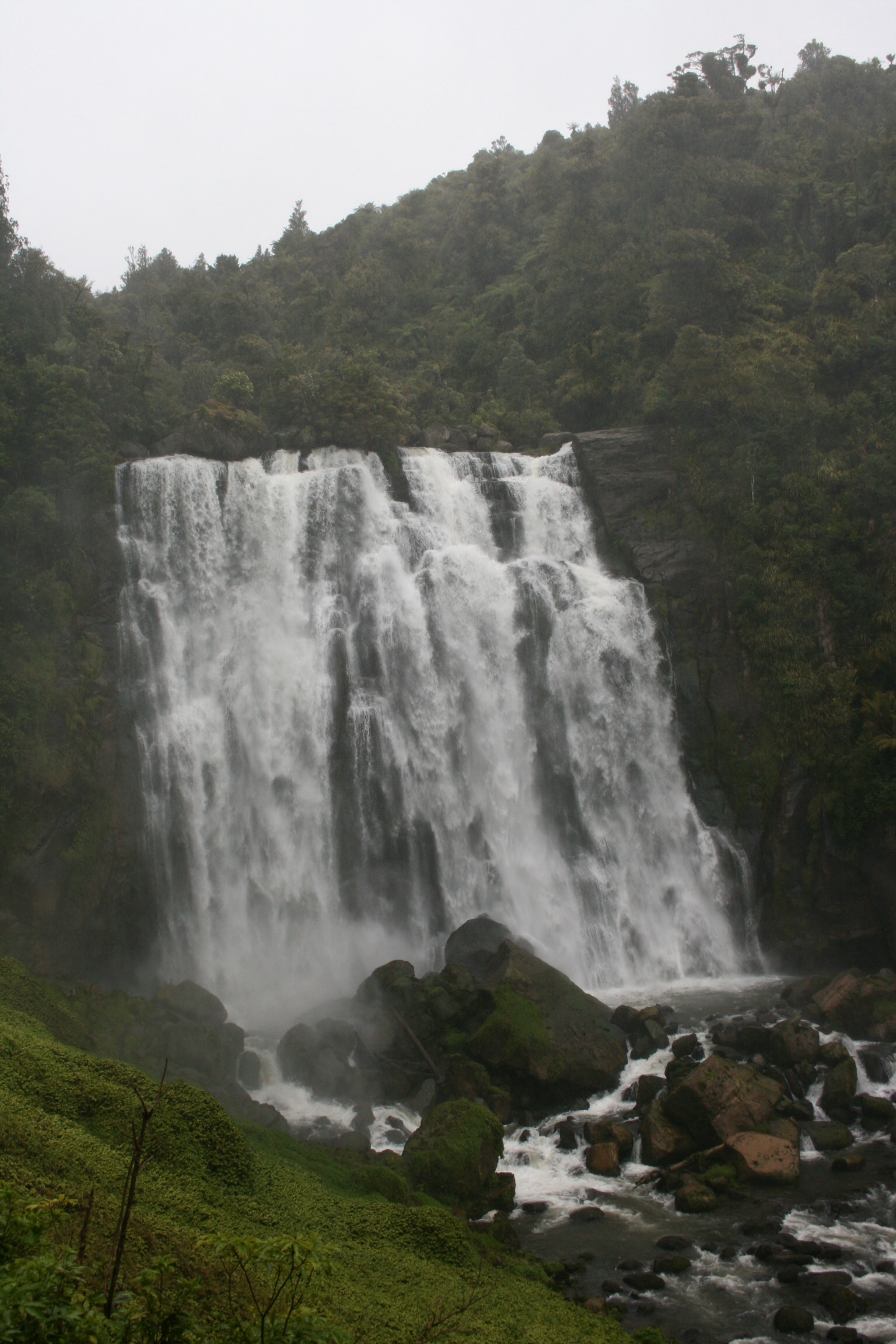
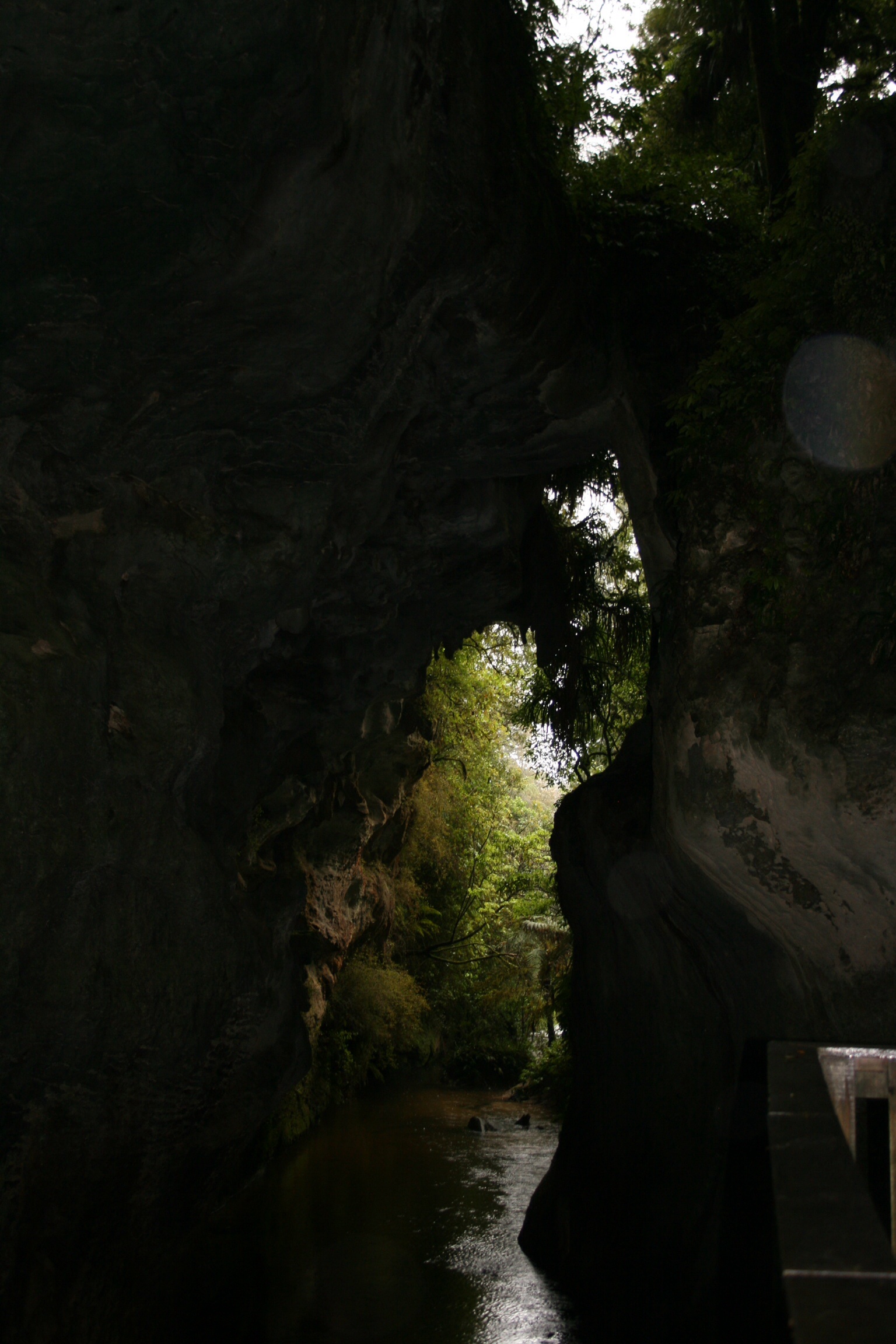
image imageDespite the rain, we decided to take two short hikes in the afternoon – one to the Marikopa Falls (one of the most impressive waterfalls in NZ) and the other to Mangapohue Natural Bridge.


Our B&B is in town and our room is at the back of the complex – a beautiful, pastoral view surrounded by a lovely garden with two huge rhodos just outside our door in full bloom.

Up to Coromandel Peninsula

Oct 24th – This morning began a bit slower than normal since last night was a late night at the Auyeungs’ home. What a lovely dinner – a bounty of seafood and veggies all beautifully presented with chocolate ice cream and strawberries for dessert. Over dinner we met their two university-aged kids (Trevor and Stephanie) both of whom added to the great conversation throughout the evening.

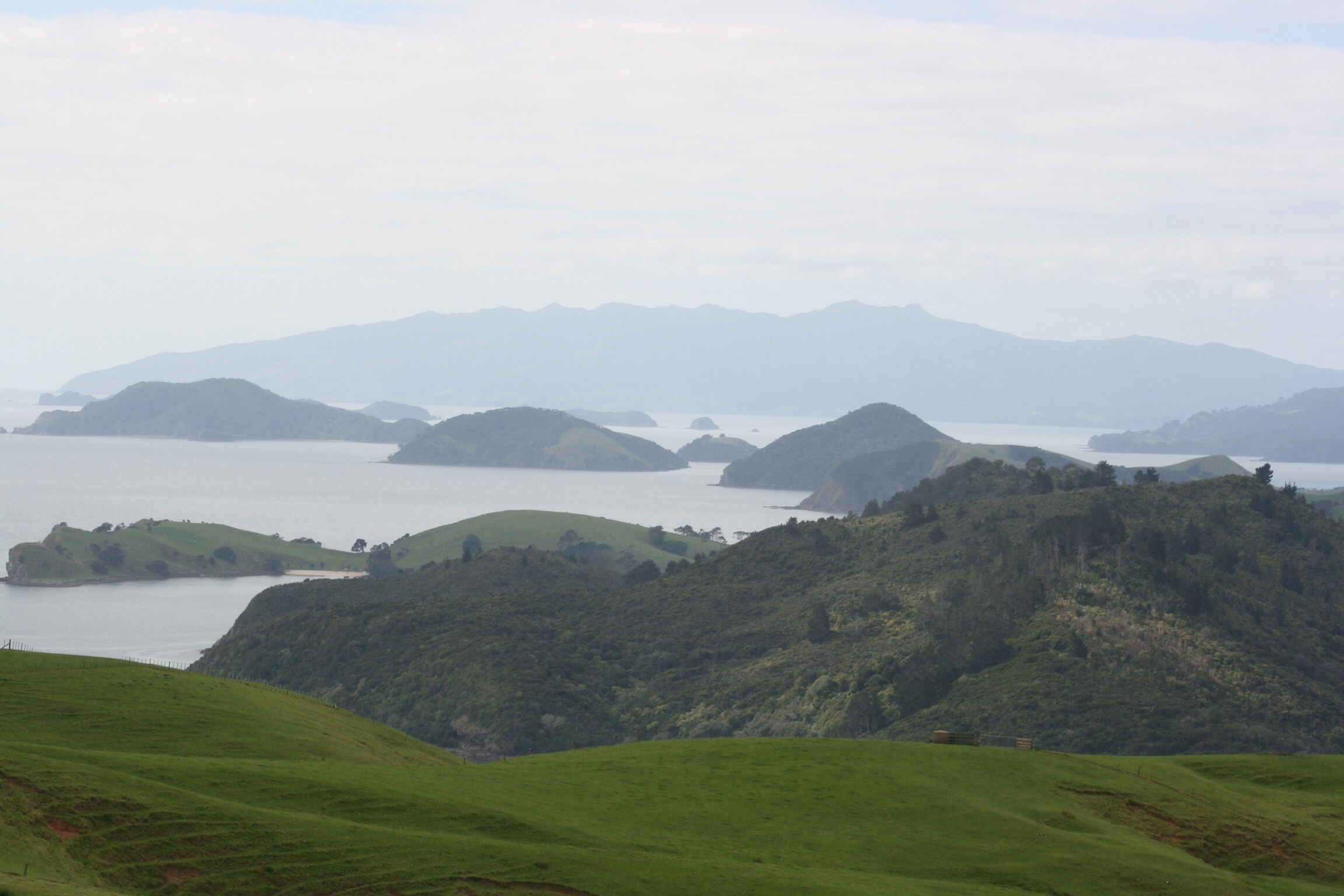
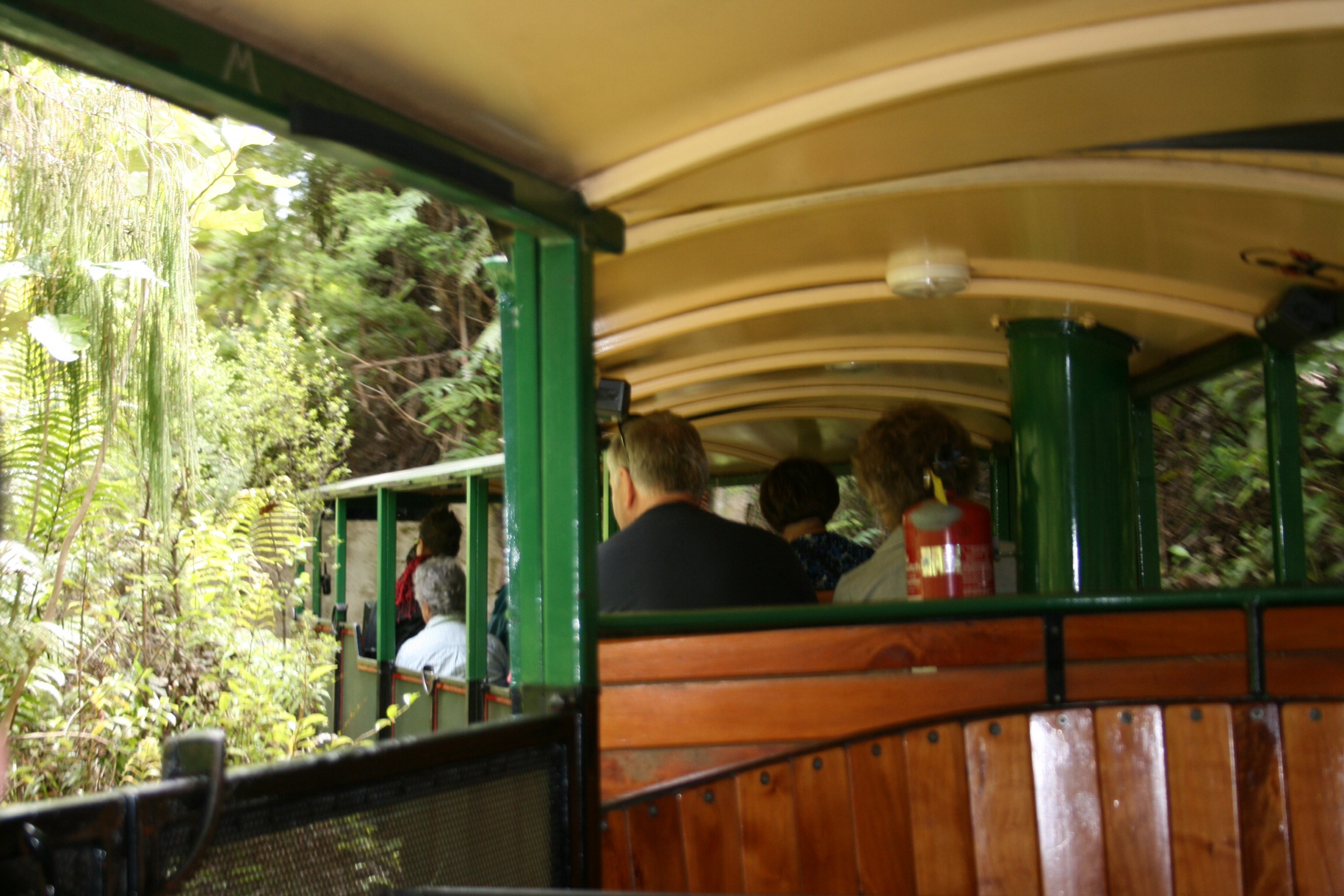
Our drive today took us up the peninsula south of Auckland to Coromandel. The area is steep and hilly, mostly covered in temperate rain forest. The road winds its way along the coast with many hairpin-like turns. After a bowl of soup at a local cafe we took a train ride on a narrow-gauge railway about 3 km up a mountain. The view of the bay from the top was stunning.

We stopped in the little town of Thames for dinner and then took the Pacific Coastal Drive back to Auckland.

imageimage

What to do on a rainy day

Oct 23rd – When you’re here for 35+ days you can expect to see some rain, and this day was no exception. Since we had been watching the weather forecast, we planned that our first rainy day would be spent at the Auckland Museum. What a wonderful place!

We started with a guided tour that lasted a little over an hour but gave us a good overview of all of the different parts of the museum. Throughout the tour we learned a number of facts about New Zealand that we maybe hadn’t thought about before:

  • humans have only been here for 700 years
  • it was first discovered and settled by Polynesians
  • the British didn’t arrive until about 1790 although a Dutch explorer named Abel Tasman came in 1642
  • there are only about 4.5 million people here, but 3.5 million live on the north island (the smallest of the two)
  • in 2011, there were 31 million sheep!
  • Wellington is the capital but Auckland is a much larger and more cosmopolitan city
  • they have only a national government and local councils – no provincial/municipal levels of government
  • they do not have a senate – having abolished it in the 1950s!

During time on my own, I experienced an earthquake (fake) with a group of school kids and browsed the museum gift shop – a delight in itself.

Flowers Galore

Oct 22nd – It’s a good job today was a lovely sunny day since neither of us got much sleep last night. What to do when an alarm clock starts ringing at 4:15am and doesn’t stop for two hours? Obviously the cleaning staff didn’t check it when the last person moved out and we weren’t sure which room it was in. Since the front desk isn’t staffed at night, we didn’t realize we could call the duty manager to check it out – found this out in the morning.

Today was our day to visit the Auckland Botanic Gardens – about 20 hectares of plants, walks and beautiful gardens. Since the weather was so cooperative we found ourselves outside for a good three or four hours – resulting in a bit of colour! The sun here is hotter and much more intense since there is a hole in the ozone layer, so you do have to be careful about sunburn.

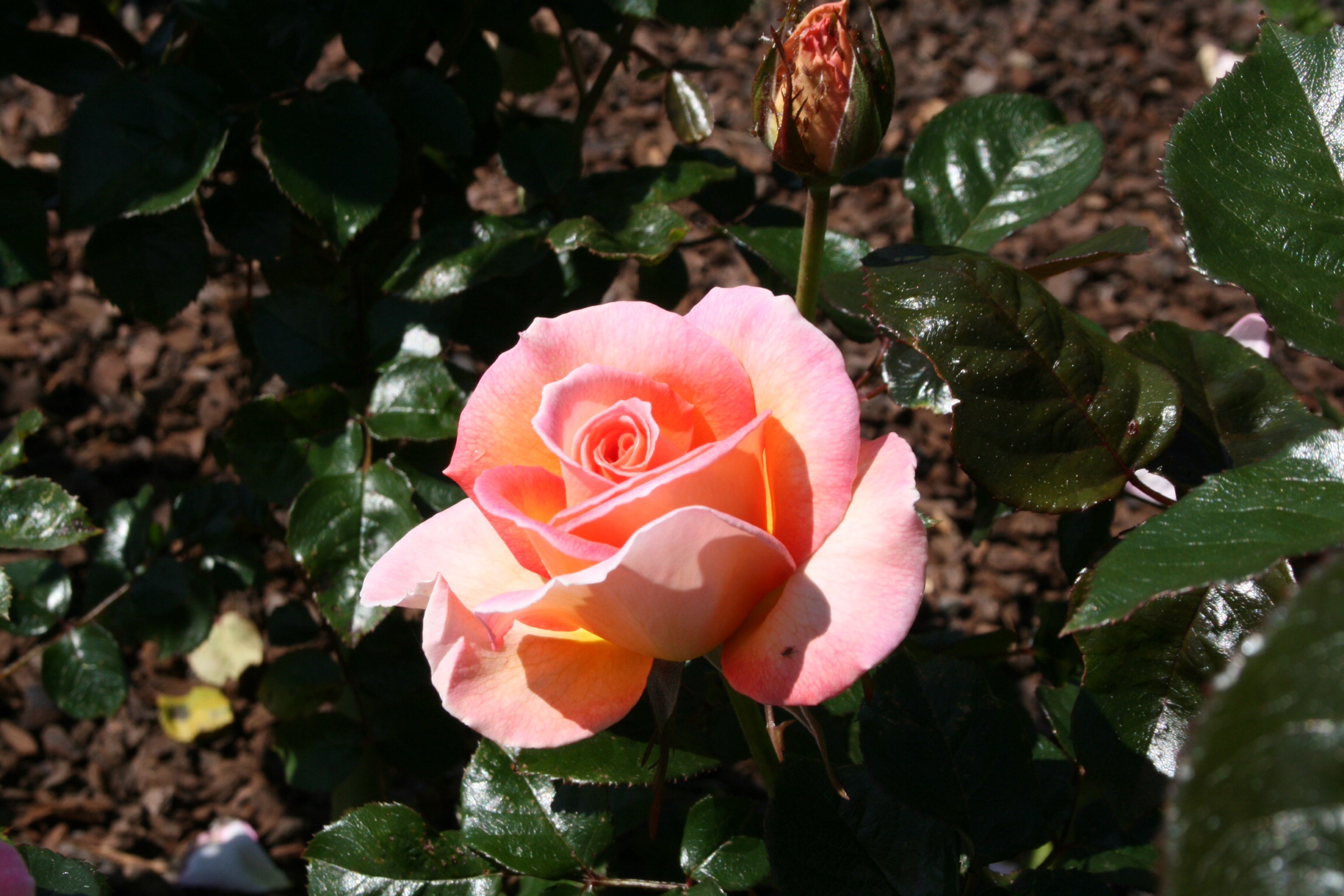
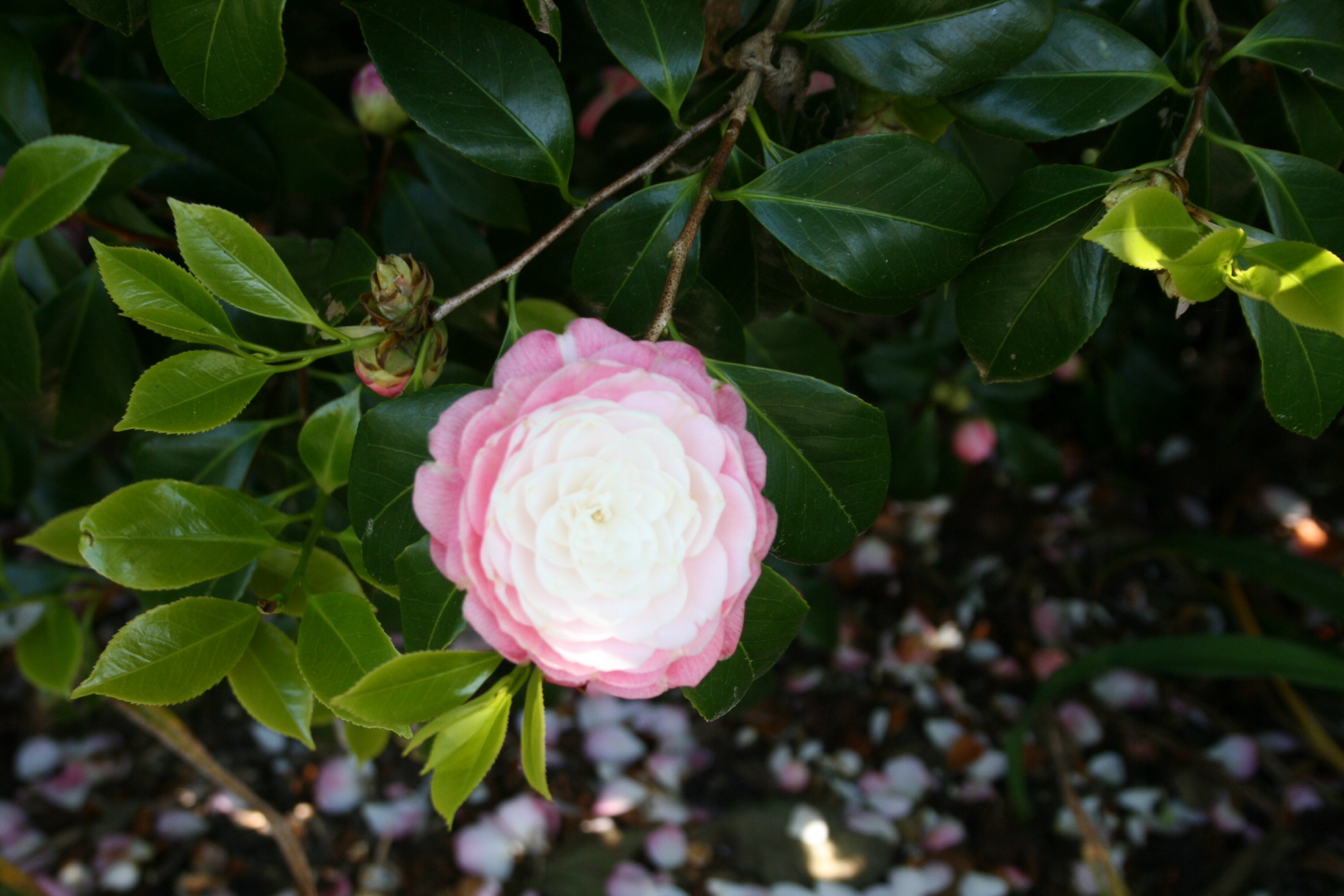
The rhodos and camelias here are just about finished although some of the later ones were just finishing up. The roses however are in full bloom and there were so many different kinds, I  was like a kid in a candy store with the camera. They had a special test garden in which there were some new hybrids – the blooms were so large they were like a dinner plate. I’ve made a list of some of our favourites to see if they might be available in Canada.

image

image

After dinner at a restaurant close to our apartment, we retired to watch to CBC News and catch up on all the goings on at home.

Image

Going North

Oct 21st – Monday was our opportunity to travel north to Whangarei. This is a Maori word so the ‘wh’ is pronounced like our ‘f’. On the way up towards Helensville, we stopped first at the local gannet colony (nothing compared to Newfoundland) and then at the Kumeu River winery that was written up in the Globe and Mail. We sampled and purchased two bottles of the recommended wine to share with friends along the way. What’s bought in NZ has to be drunk in NZ!

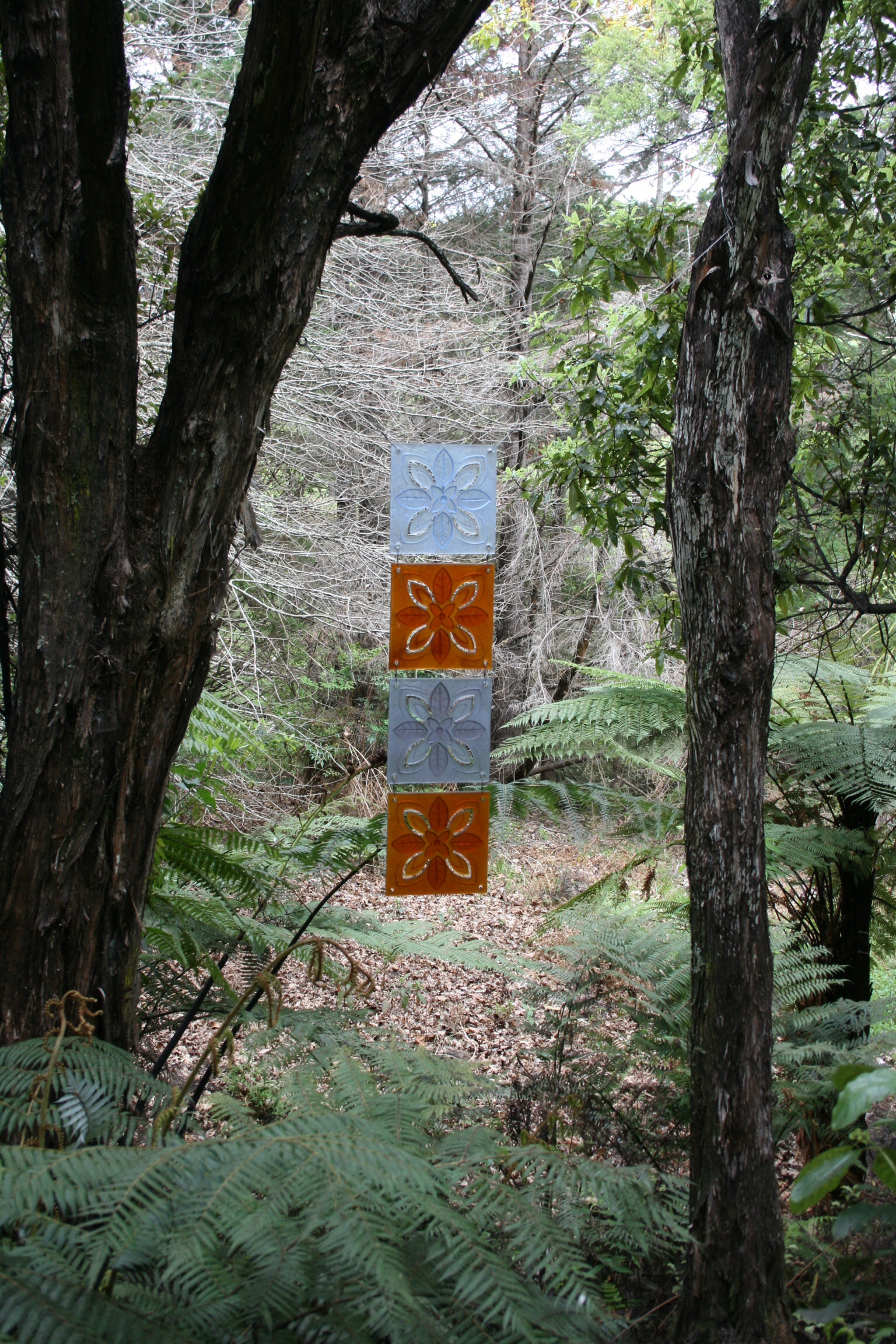
imageWe also stopped at the Kaipara Coast Sculpture Gardens and spent about an hour strolling along a path which led through formal gardens dotted with locally made sculptures. It was quite interesting even though many of the spring flowering trees were just about over.

Lunch was a quick sandwich and apple eaten in the car since we had a fairly long drive ahead of us.


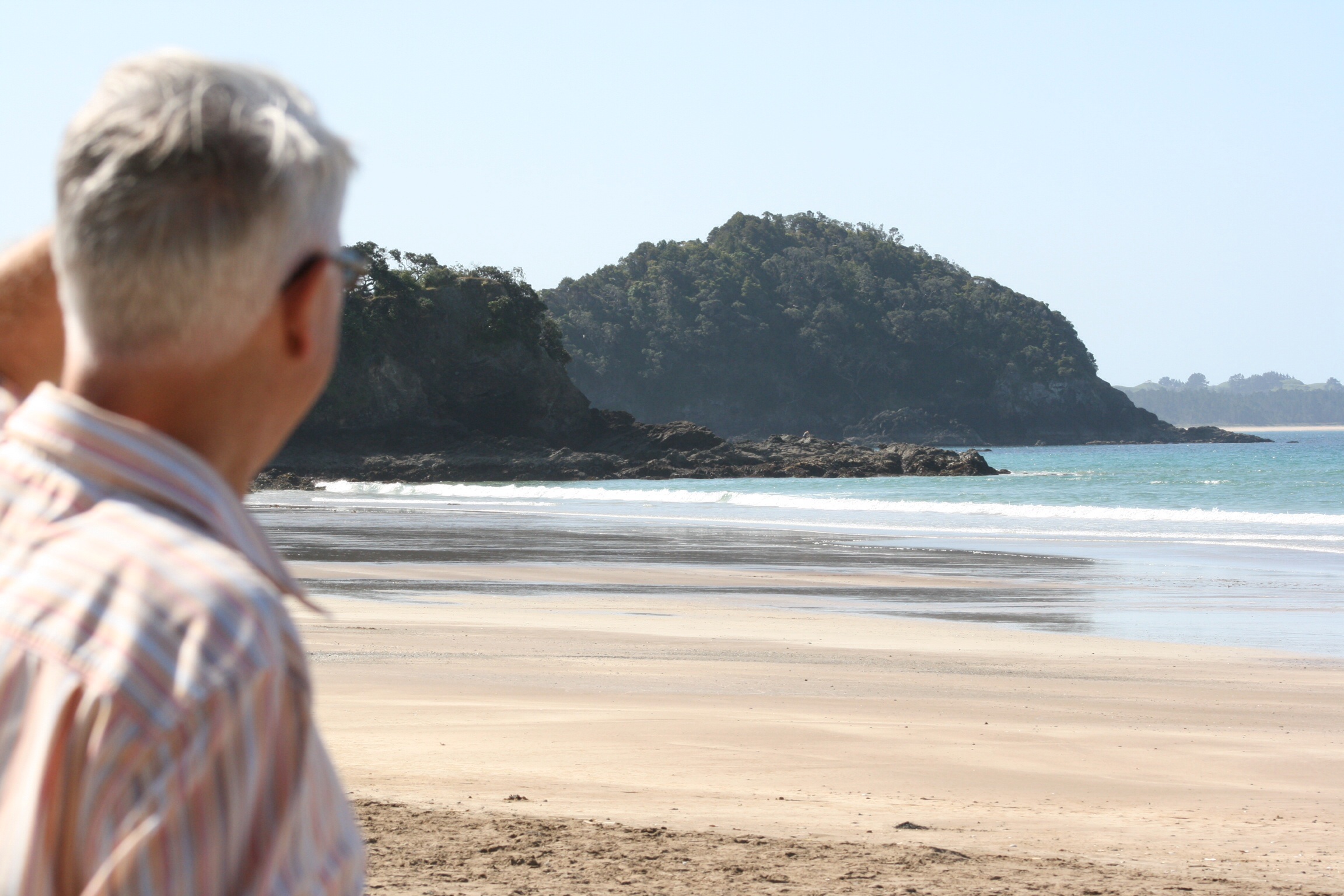
The Whangarei area is full of lovely scenery and we stopped a number of times to take in the view. We also found our first beach  and took a brief walk along the beach. Too cold for swimming but nice to walk in.
Image