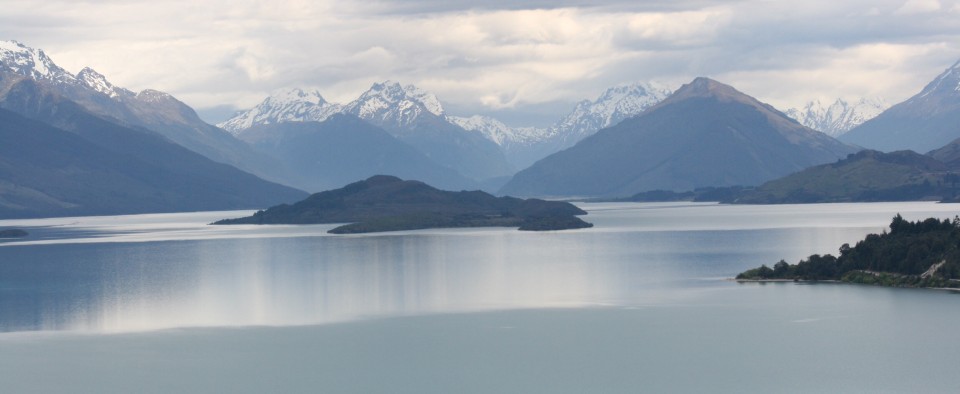
June 28th – This is a day that is going to be hard to put into words. We have arrived in St. Petersburg and will be here for three full days. St. Petersburg is some 400 miles northwest of Moscow and is considered the most European of all the great cities of Russia. It is a living monument to the opulent days of imperialism. With 5 million people, it boasts the largest Russian seaport and is an important maritime centre. Because the city encompasses a series of islands there is a network of 60 rivers and canals that crisscross the city with about 400 bridges, making it seem reminiscent of Amsterdam and Venice. By European standards it’s a relatively young city since the first building, the Peter and Paul Fortress, was only built in 1703. It has a rich cultural and political history, being both the home of the Imperial Royal Family and the place where Lenin began his revolutionary activities and laid the foundations for the Communist Party.
Peter the Great founded the city in 1703 and began to create a spectacular city of cathedrals, palaces and ostentatious residences that rival anything in Europe. In 1712 he transferred the government from Moscow to his new city, and St. Petersburg became the capital of Russia. At various times the name has been changed to Petrograd and Leningrad and back again.
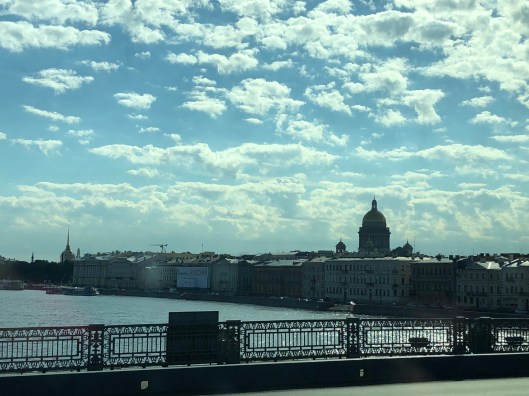
St Petersburg from one of the many bridges
Our first tour was called “Grand Imperial Evening of the Tsars” – and grand it was. Wow! The Catherine Palace is located about 30 km south of St. Petersburg, in the town of Pushkin, and began in 1717 as the summer home of Catherine I. It was expanded by her daughter Empress Elizabeth, but eventually she ordered it to be destroyed and a new, grander edifice to be built in the Rococo style. After four years of construction, the result was the 325 metre long palace we see today – much of it paid for personally by Elizabeth. Her daughter-in-law, Catherine the Great, continued to update areas of the palace in the architectural style of the day although it wasn’t used by the royal family after her time. Pushkin was actually the front line of the German forces during the siege of Leningrad and as they retreated, they destroyed the residence leaving only the hollow shell of the palace behind. It is still being renovated and refurbished to its original glory.
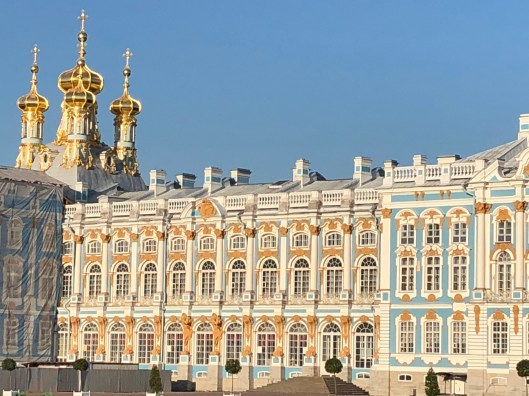
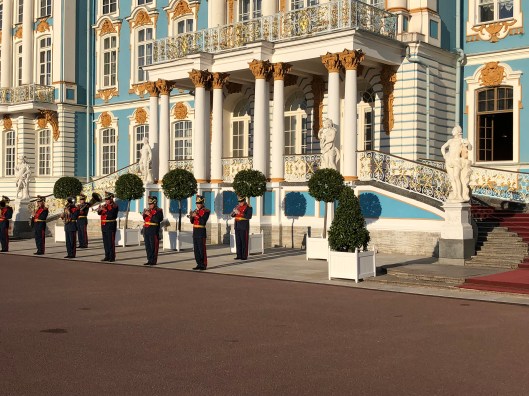
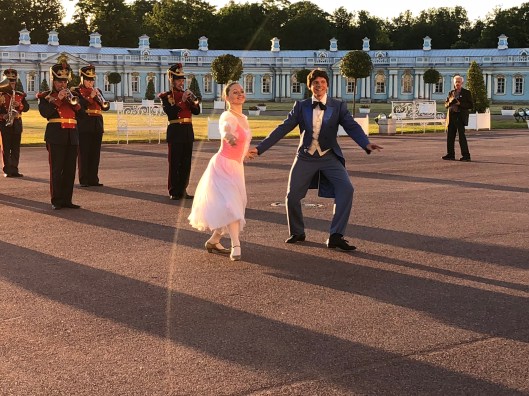
Our first stop was the carriage house where we were able to see many of the carriages used by the Romanov family. Their dynasty lasted 300 years – from 1613 – 1917. When we arrived at the palace, we were welcomed by the band of the Imperial Guards and led into the palace where we had a small group tour.
It was wonderful to visit without the large crowds experienced in many museums and we were able to take photos in the amber room, which isn’t normally allowed.


The amber room alone has been reconstructed at a cost of €11.5M.

After the tour we were welcomed into the Grand Hall with a glass of champagne and treated to a concert by a string quartet. Then there was a great trumpet flourish and Catherine the Great arrived, proposed a toast and invited the dancing to begin. A couple, in period costume, provided a short program of period dances accompanied by the string quartet. Then it was time to move on to dinner.


We were treated to another dance outside before being escorted out by the band of the Imperial Guards.
A restaurant in one of the wings of the palace was the location for our group dinner consisting of salad, mushroom soup, salmon with shredded carrots and potatoes, and raspberry sorbet. Wine and vodka were complimentary.
We returned to the ship by 11:15 p.m. but it didn’t feel that late because it was still light out. This was one of the most expensive excursions we took, but I think we both agree it was a special treat – probably the highlight of our trip – and therefore worth every penny.
 nancybellblog