Many of the cities in New Zealand have limited parking, which isn’t a problem because they typically aren’t that busy and free on-street parking works well. It’s often posted as P30 or P120, which means that you can park free for 30 minutes or two hours. Wellington however is another story. Most on-street parking is P30 and two of their large indoor parking garages were closed because of damage from recent earthquakes. Finding a place to leave our car was an exercise in feeding the meter regularly every two hours.
Our first stop was a trip up Mount Victoria, which provides a 360* view of the capital. It’s actually smaller than Auckland both in size and population even though it is the capital city. Then we found a place to park the car for two hours and headed off for a tour of the Parliament Buildings, nicknamed the beehive because of its unusual shape. The guide provided an excellent tour and we had a bit of a chuckle when he described how they used to have a senate but abolished it in the 1950s. Canada could learn a few lessons, eh? Government without an upper house works here because they have partial proportional representation so a majority government is hard to achieve and they have given more power to their legislative committees than is normal in Canada.
We then picked up our car and drove down to the museum situated in a recently built building down by the waterfront. The museum is called Te Papa and is quite unique. It’s New Zealand’s national museum and has been designed to be quite interactive. Again, we took a guided tour to orient ourselves and then spent about 90 minutes browsing through the various sections on our own. We were both impressed with an interactive display composed of stories told by young people who came to NZ as refugees from many different countries. An interactive floor map of New Zealand provided for some fun as did some of the quirky exhibits (eg – linking period objects to historical events shown in a newsreel format).
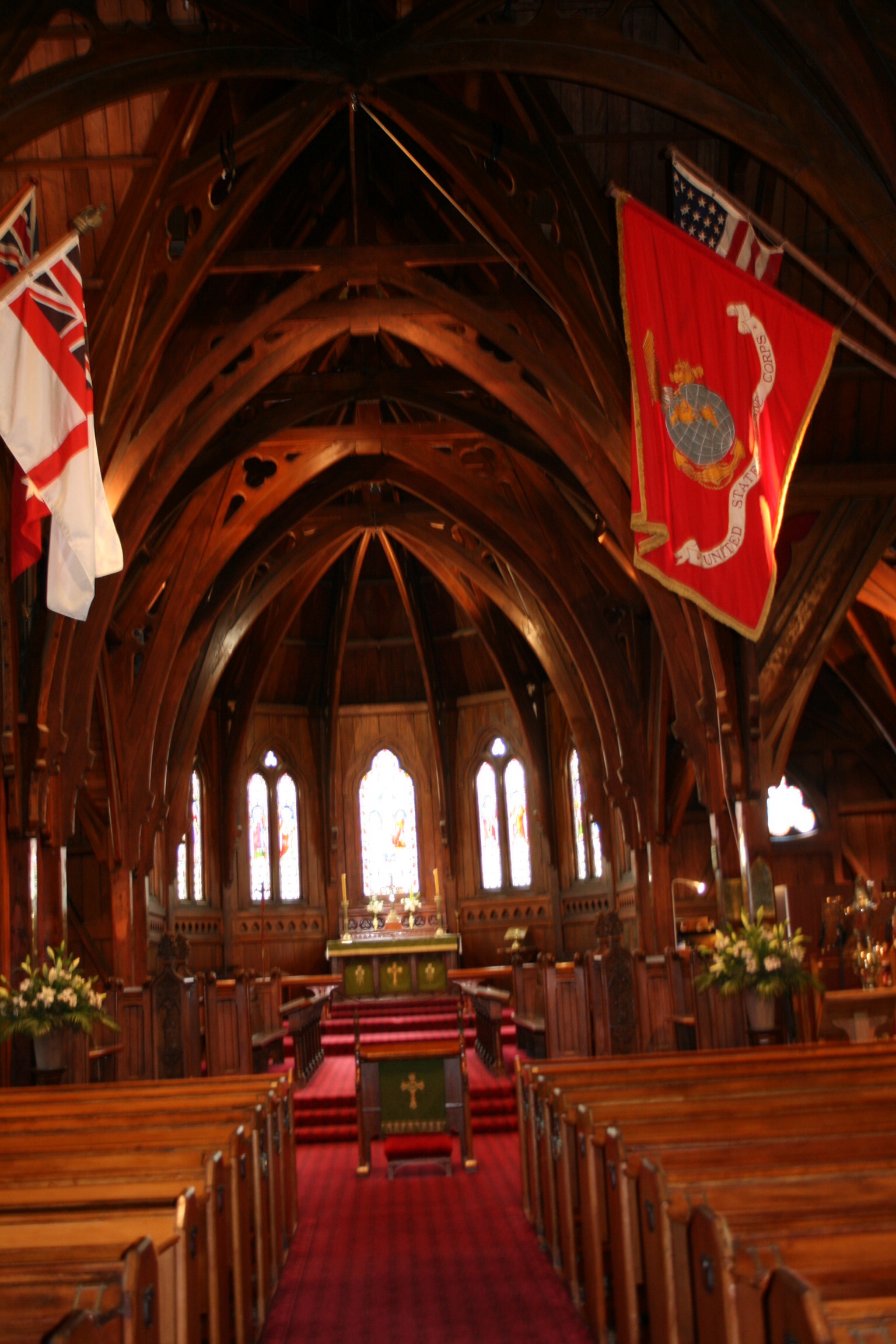
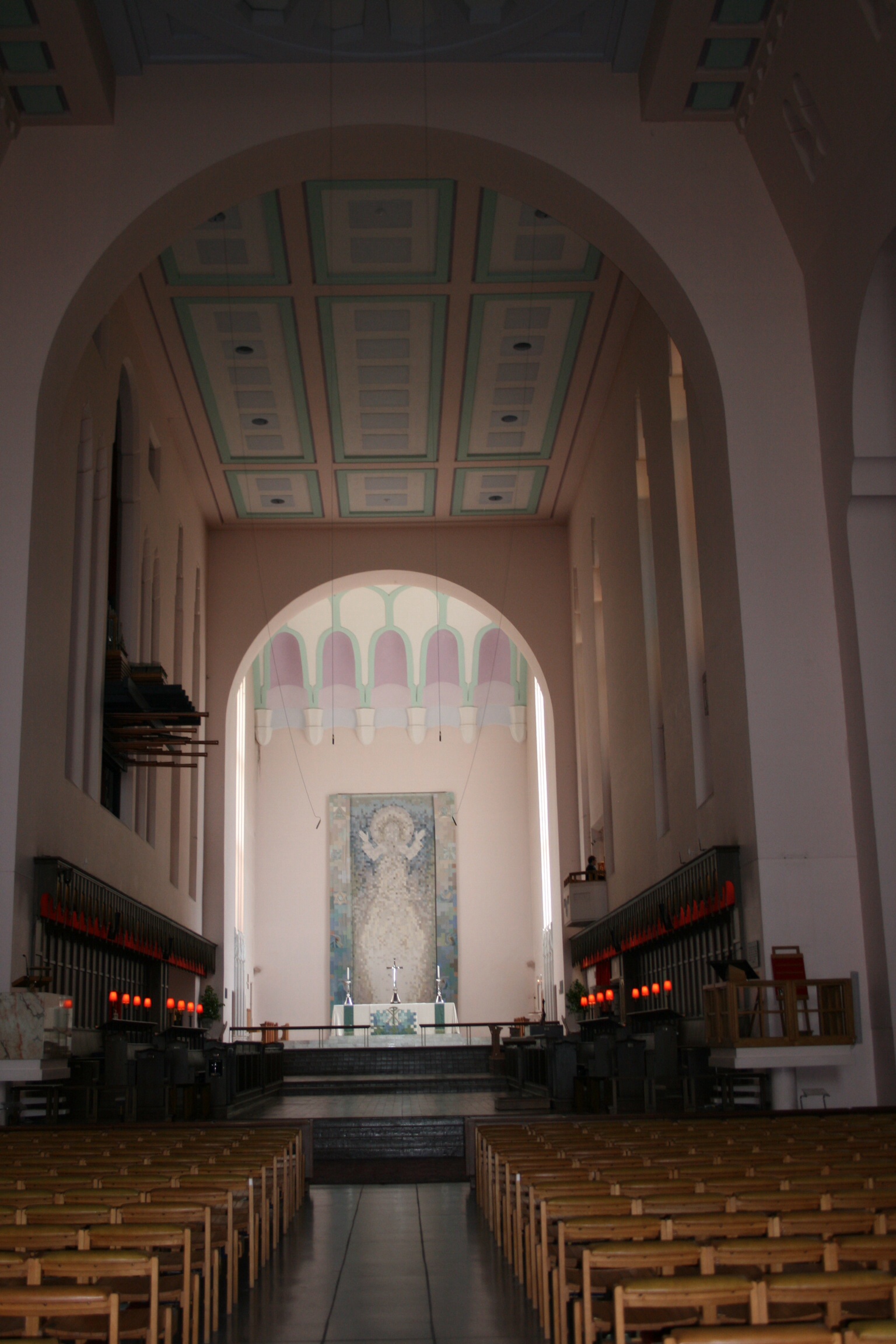
Before we left on the ferry the next day, we visited two other downtown buildings – Old St Paul’s (now used as an event centre) and St Paul’s Cathedral (a new modern building). It was certainly quite a contrast between the two buildings. The old building was typically made from wood and was a small and intimate space. While the diocese was prepared to tear the building down when it was no longer needed, people fought to keep it as a link to the past. It now hosts weddings, funerals and concerts. The new building, opened in 1998 is a large open space. We were welcomed into the building by the sounds of the pipe organ. We also found the colour scheme to be quite unique.
We were particularly intrigued by one plaque on the wall which showed the names of each bell in the bell tower and the people who had donated the funds to purchase them. The smallest one is called Little James (donated by someone with that name) and the largest one is called The Peoples’ Bell (purchased with donations from many people). Such a cute idea! They are also raising funds for a new grand piano so we’ll be bringing back an idea that could maybe be used at LPBC.
 nancybellblog