Every holiday comes with its quirks and observations that make for good stories when you return home. New Zealand has provided many and we thought we’d share a few through our blog.
Roads – We have travelled over 6,000 km in our five weeks here. The road system on the North Island is quite developed since the majority of Kiwis live there. There are a number of major expressways around Auckland and divided multi-lane highways in other major centres. On the South Island most of the roads are just two-lane highways. There are three main posted speed limits in NZ – 50 in town, 70 or 80 approaching towns and 100 everywhere else. The mountain roads in the south usually have 100 as the posted speed and dotted lines for passing, even on corners and hills. We often had the road to ourselves so it didn’t matter too much. In our five weeks we only saw one accident and that was a transport trailer that was going too fast around a corner, slid into the cliff face and overturned.
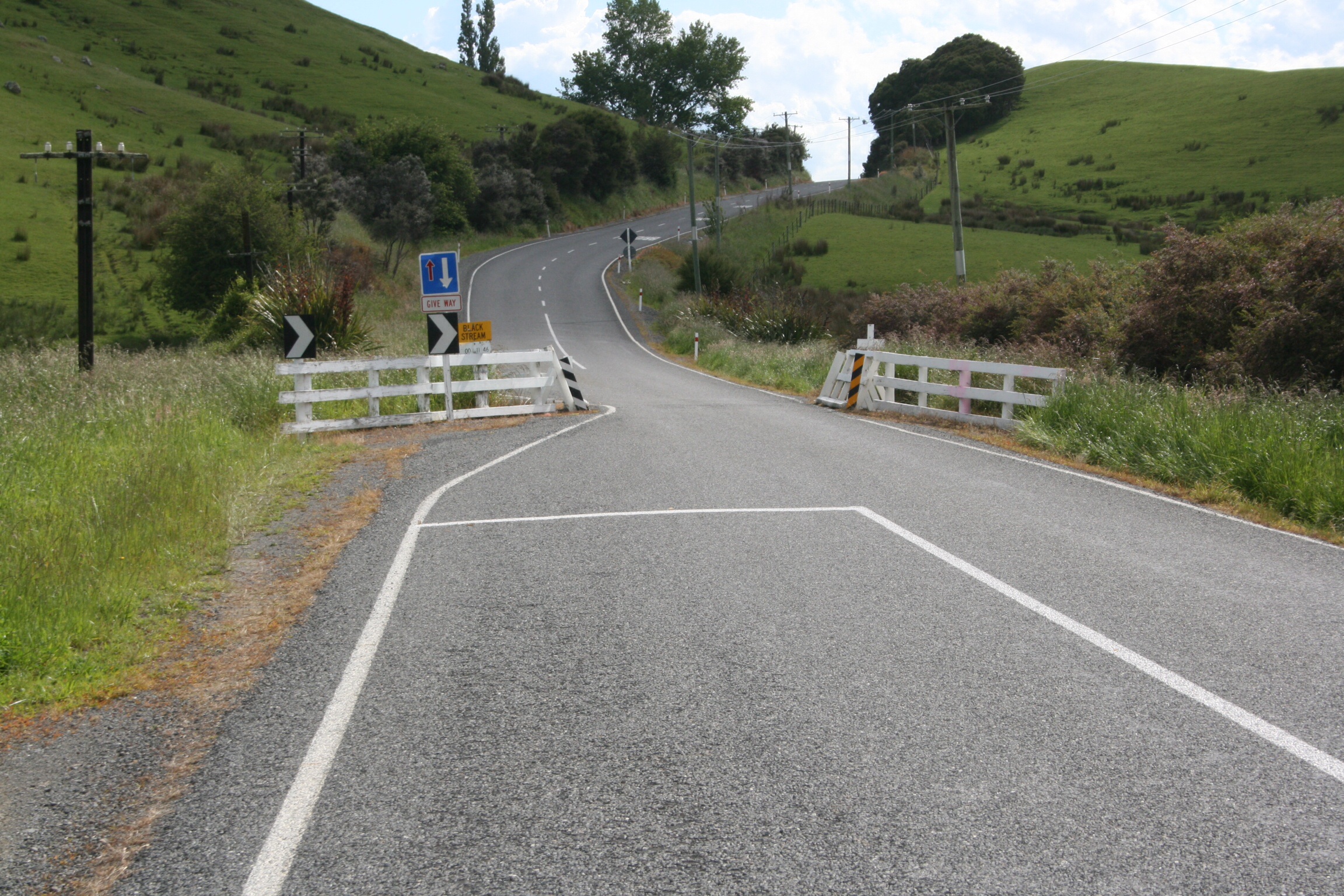 Kiwis are minimalists: when it comes to bridges, except in major centres, bridges (and there are many) are often one lane. A posted sign indicates which direction has the right of way. When it comes to stop signs – there are few, preferring instead to use the “give way” sign so you can just slow down and “merge like a zip!”
Signs – We were quite fascinated with the good-driving warning signs along the roads. We would often see signs about sharing the road with bicycles (there are many especially in the mountains), not driving when sleepy, and watching your speed (they have photo radar here). One of our favourites was a picture of a stylized zipper and the words “merge like a zip.” Unfortunately, good signage doesn’t extend to street signs, which were often nonexistent. An additional issue is because their major centres are built around the English suburb system, a street may change names three or four times on the way into town. Good maps are a must!
Food – We frequented grocery stores on a number of occasions and were quite surprised at the price of some items. Blueberries were $9.99 a pint. Limes were $39.99 per kilo, which seems odd since they grow lemons and oranges here. We’re not sure why they don’t grow limes. Meals served in cafés and bars were often first-class, using unique ingredients and plating styles. Jenn, I never had to experience the soft poached egg on my fish and chips but did experience it on one or two salads.
Animals – New Zealand has no native mammals, only birds. Rabbits, stoats and possums were brought in by the Brits for hunting and, since there are no natural predators, have reduced many of the native birds to extinct or near-extinct status. There is a real effort underway to increase the Kiwi bird population by placing them on controlled islands which have been cleared of pests. Time will tell if these efforts are working. Red deer were also brought in for hunting purposes and extreme measures have had to be taken to control that population. While most red deer are now farmed in paddocks, a bounty is still paid for wild deer that are captured using helicopters and nets.
In an earlier post, I wrote about the number of sheep in NZ. Many farmers are now turning their farms into dairy farms since there is more money in cattle than in sheep. This is causing great concern for the environmentalists since the runoff from cattle pollutes rivers and streams. Local Councils are beginning to consider limiting the size and/or placement of herds to ensure the rivers, lakes and oceans don’t suffer negatively from this change. We did see the effects of farming in one place – the beach down by the ocean was covered in green algae – didn’t make for a very appealing dip.
Mail – There has been some controversy while we’ve been here about reducing mail delivery given that, as is the case in many places, the volumes have dropped. In urban and small town areas, the mail is delivered by a postie on a bicycle. The proposal is to reduce delivery from six to three days per week in urban areas. In rural areas the delivery is done by van and out at Akaroa one of the tours was to go with the postie for the day on his rural delivery route.
Language – While we speak the same language, which makes travel easier, it’s interesting to see how we use words differently. Two examples:
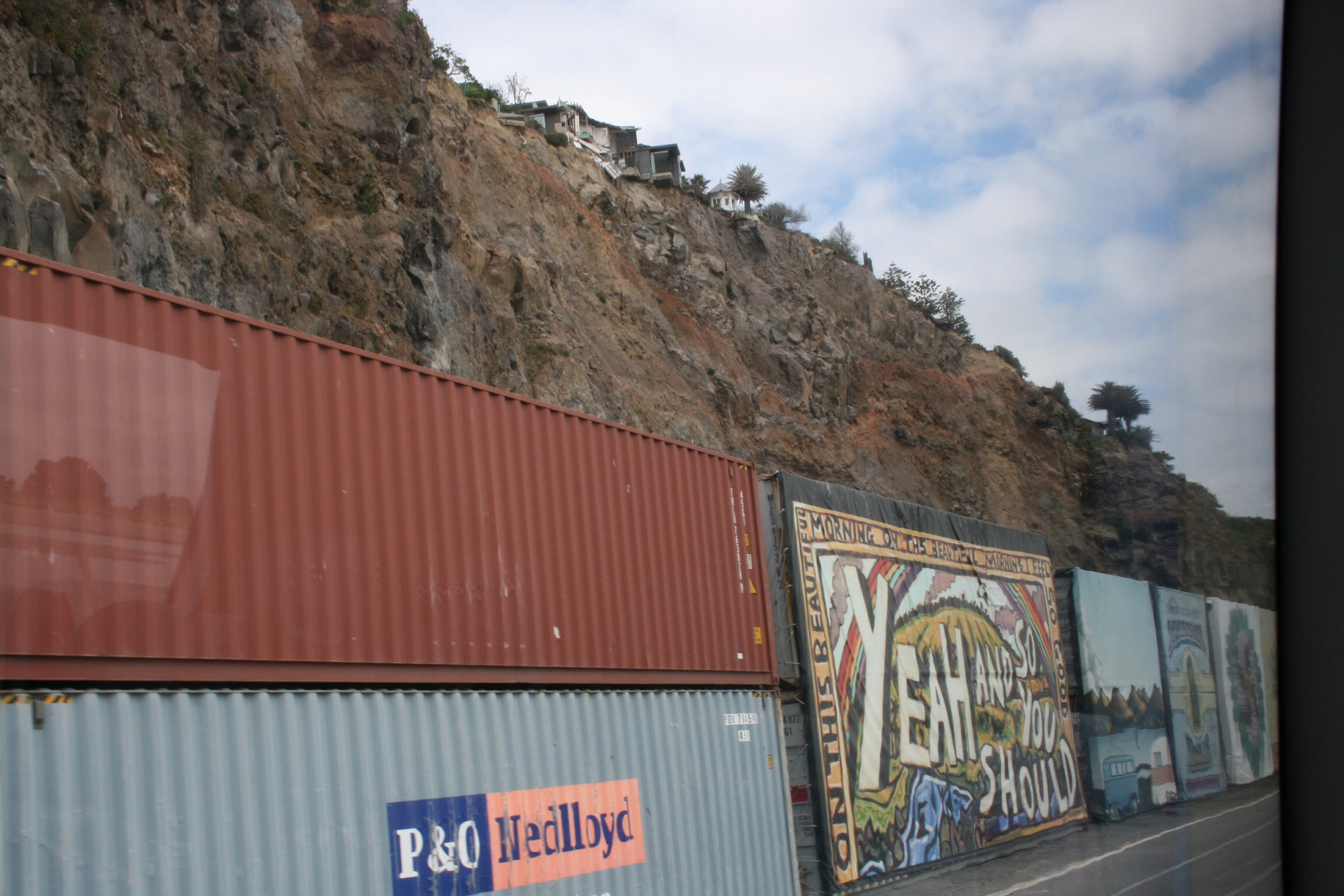
- Slips/slides – we call them landslides, they call them slips
- entree/main – we call it an appetizer, they call it an entree; we call it an entree, they call it a main
Well folks that’s it for now. We are shortly due to board the bus that will take us out to meet our cruise ship. We’ll look forward to sharing more stories and some of our 1,000+ pictures with you when we return.




 nancybellblog